Why Japanese Developers Can't Replicate Games Like Neverness to Everness
Industry insiders discuss the overwhelming scale, budget, and manpower gap that makes competing with Chinese open-world RPGs a near-impossible task.


When Neverness to Everness launched globally, it didn't just capture attention—it dominated conversations, especially in Japan. The urban open-world anime RPG, developed by China's Hotta Studio, presented a paradox for many Japanese players: a game so deeply immersed in anime culture and Japanese locales, crafted with stunning polish, yet not made in Japan. This realization sparked a pressing question within the industry: why can't Japan make a game like this?

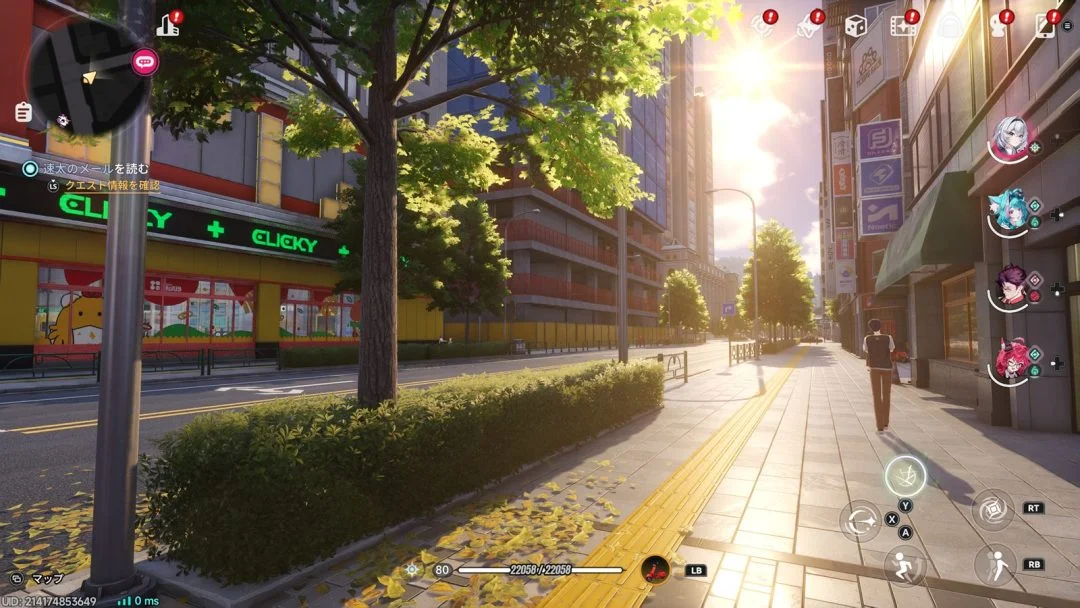
You might wonder, as a player, what the big deal is. The game runs smoothly, the city feels alive, and the anime aesthetics are spot-on. But from a developer's seat, the view is different. It's terrifying, as some have put it. Alwei, a representative from the Japanese development company Indie-Us Games, broke down the technical marvel after playing extensively. He noted that climbing to the highest point in the game's city, Hethereau, and comparing performance on both PC and mobile yielded seamless results. This isn't a static backdrop; it's a "live city" with real-time movement, requiring an absurd level of optimization and content volume that feels almost unattainable.
The Scale Problem: Manpower and Management
So, what's the core issue preventing Japanese studios from answering this challenge? The consensus points to a crippling gap in scale. Alwei states bluntly that creating something of this magnitude in Japan is currently impossible. You would need a small army: highly specialized engineers across every field, a legion of talented artists, and project management capable of wrangling an overwhelming flood of assets. Combine this with Japan's stricter labor and overtime regulations, and the development time simply isn't there.
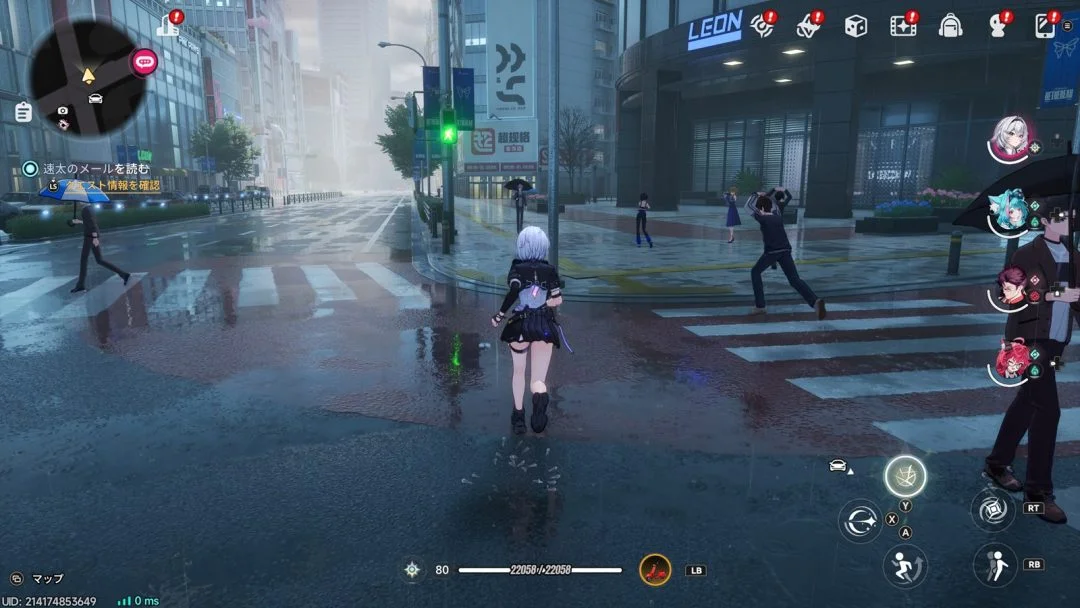
This scale disparity isn't just about programmers. It extends deeply into animation and character design—the very elements that give these games their high visual appeal. Japanese producer Ukyo shared a revealing experience from collaborating with a top Chinese studio. For a single title, they had around 200 people constantly mobilized just for character-related tasks: production, motion design, animation. Korean top titles operate on similar scales. In contrast, Ukyo notes that in Japan, getting budget approval to expand animation resources is among the hardest fights, and hiring for these roles is extremely difficult.
A Budgetary Reality Check
The financial commitment required is another world entirely. Sean Noguchi, GM of EA Japan, recalled a telling anecdote. A Japanese company recently asked him if a "Japanese version of GTA" could be made with a budget of 500 million yen (roughly $3.16 million USD). The question made him laugh. Developing a game on that scale would require at least 20 billion yen. This story highlights a fundamental misunderstanding of the resources needed for truly large-scale, live-service open-world projects, putting Japanese companies at a strategic disadvantage.
Ukyo summarizes this divide, suggesting that the overwhelming gap in manpower and the difference in corporate financial capacity are likely the decisive factors driving the current disparity in game development capabilities between the two countries.
Reshaped Expectations and the Search for a "Japanese Way"
Why does this pressure exist? Japan has a legendary global prestige in game design and a track record of major hits. But titles like Neverness to Everness and others before it are actively reshaping what domestic gamers expect, particularly in the live-service genre. The bar for visual polish, seamless open worlds, and constant content has been raised dramatically.
This puts domestic developers in a tough spot. As Alwei puts it, it's not about trying to "beat" the competition. The challenge lies in meeting these new, heightened expectations. He often finds himself wondering: surely there must be a Japanese way of approaching this? The industry is grappling with how to leverage its unique strengths—its storytelling, character design, and creative legacy—within a new global landscape defined by monumental production scales.
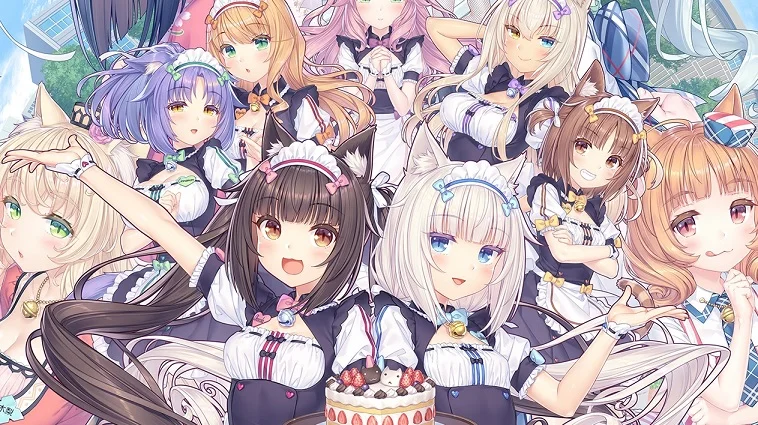
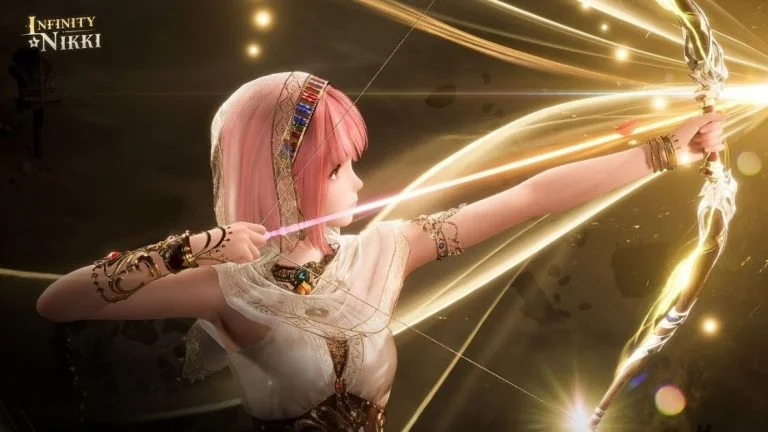
Consider other titles that blend anime aesthetics with different genres. Games like Nekopara or the upcoming open-world dress-up adventure Infinity Nikki show alternative approaches, but they operate on a different scope. The discussion isn't about all games, but specifically about these urban, live-service behemoths.
Looking Forward
The conversation extends beyond a single game. It's about an industry at a crossroads. Can Japanese studios adapt their renowned creativity to compete in this new era of mega-production? Or will they carve a different, equally valuable path? For now, the technical and logistical hurdles presented by games like Neverness to Everness seem formidable. The detailed recreations of Akihabara and Shibuya, the homages to anime landmarks—they serve as both an inspiration and a stark reminder of the gap in production philosophy.
What do you think? Is the future of blockbuster anime-style gaming destined to be led by studios outside of Japan, or can the birthplace of anime find a way to reclaim that crown on its own terms? The pressure is on, and the industry's next moves will be crucial to watch.
Reactions
Share
Related articles

The Apothecary Diaries: The False Imperial Brother Game Announced for Switch 2, PS5, Switch, and PC
Fate/Extra Record Remake Shifts to Aniplex Publisher as Kazuya Nino Exits Type-Moon Studio BB

RyzaChat AI Drops Surprise Japanese Launch for Endless Midsummer Quests
0 Comments
You must log in to leave a comment
Be the first to share your thoughts on this article.
No comments yet
Be the first to share your thoughts on this article.