Japan’s Hareruya 2 Cuts Pokémon Card Pack Corners to Discourage Scalpers—Without Ruining the Fun for Fans
A small snip, age limits, and smart purchase caps aim to keep MEGAドリームex packs in the hands that actually play.

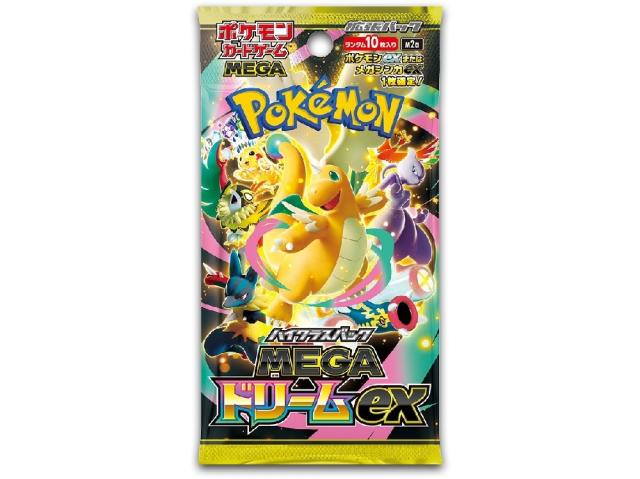
You already know the feeling: you walk toward the Pokémon cards like they’re a warm bakery window on a cold day, and yet the shelf looks as if a storm passed through five minutes earlier, because resellers move faster than ordinary life allows, and you, unlike them, have errands, work, school runs, and that stubborn need to sleep.
What makes the situation so draining is that, on the surface, you and a scalper seem to want the same object—a sealed pack—but beneath that shiny wrapper you’re chasing different endings, because you want the story inside the cards, while they want the story the price tag will tell later.
The simple psychology behind a sealed pack
When you buy Pokémon cards for play, the wrapper is just a door, and you’re going to open it sooner or later; when you buy to flip, the wrapper becomes the product, a fragile little promise of “new” that helps justify a higher resale price, even if the contents are identical.
That difference matters more than people admit, especially in a hobby that has exploded in scale: the Pokémon Trading Card Game has produced over 60 billion cards worldwide across its lifetime, and yet scarcity still appears in the places that hurt—newer expansions, popular sets, and any moment when demand spikes faster than supply can keep up.
So if you can damage the wrapper just enough to make it unattractive for resale, without harming the cards or the experience of opening them, you’ve turned the scalper’s “asset” into something closer to what it always was for you: a temporary envelope.
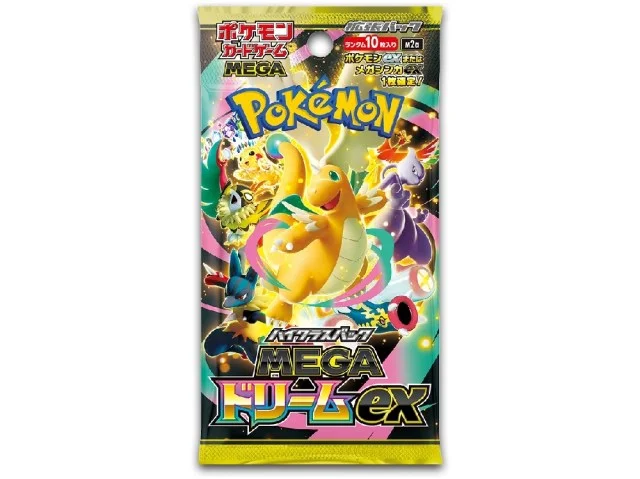
Hareruya 2’s “corner snip” idea in Omiya
That’s the logic Hareruya 2 (晴れる屋2), a Pokémon card specialty shop, is leaning into at its branch in Saitama City’s Omiya Ward, where certain packs—such as MEGAドリームex—have been sold with a small but deliberate change: the staff cut off a corner of the pack’s wrapper before handing it to you.
It’s a tiny edit, almost like clipping the corner of a movie ticket to prove you’re meant to be in the theater, and for you as a player it barely changes anything because your real moment of value arrives when the cards hit your hand, not when the seal stays pristine; for a reseller, though, that missing corner can be the difference between “factory-fresh” and “hard to justify,” and secondary-market buyers commonly pay less for packaging that looks tampered with, even if the cards inside were never touched.
If you’ve ever done the small personal ritual of opening packs—pausing for half a second, feeling that thin resistance of the wrapper, then letting it tear with that soft, sharp sound—you can picture how little the corner matters to you, and how much it matters to someone whose plan depends on pretending the door was never opened.
More barriers: kids-only stock, caps, and registration
The corner snip isn’t the only line Hareruya 2 draws, and this is where the strategy starts to feel like a gate with multiple locks, each one mild on its own but meaningful together.
Age-restricted packs (and yes, they check)
A portion of stock is reserved for customers 15 years old or younger, and if you look older than that cutoff, you may be asked to show identification—often something as simple as a school ID—because the goal is to keep at least part of the supply flowing to younger players who are least able to compete with adults who can hover around restocks.
Those kids-only purchases also come with daily limits, including two packs per day for MEGAドリームex and five packs per day for the broader Mega series, which keeps the experience fairer and makes “bulk buying” feel less like an inevitability.
Line registration and purchase limits
On top of that, some products are limited to customers who register as friends of the shop’s official Line account, a practical way to discourage anonymous repeat buying, and there are also caps such as two Mega Series packs per day in certain sales categories, which quietly tells you the shop is watching for patterns without turning the counter into an interrogation desk.
Why it matters, even after the launch rush fades
Even with MEGAドリームex having launched months ago, the long-term issue doesn’t vanish, because scalping isn’t a single event—it’s a habit that erodes a community slowly, like sandpaper on something you wanted to keep smooth; the more normal it becomes to see sealed packs treated like investment chips, the harder it is for new players to enter without paying inflated prices that can easily be 2–3 times retail during peak hype periods.
Hareruya 2 also operates a branch in Tokyo’s Akihabara, an area where hobby demand can feel especially concentrated, and it has experimented with kids-only sales policies as well—proof that the store is treating this as a continuing problem, not a one-week headline.
In the end, the corner snip is a strangely elegant message aimed at both sides: if you’re here to play, you lose almost nothing and gain a better chance at finding packs; if you’re here to flip, the product stops behaving like a clean, resellable “unit,” and starts behaving like what it was meant to be all along—cards for a game, not a stock certificate.
Reactions
Share
Related articles

The Apothecary Diaries: The False Imperial Brother Game Announced for Switch 2, PS5, Switch, and PC
Fate/Extra Record Remake Shifts to Aniplex Publisher as Kazuya Nino Exits Type-Moon Studio BB

RyzaChat AI Drops Surprise Japanese Launch for Endless Midsummer Quests
0 Comments
You must log in to leave a comment
Be the first to share your thoughts on this article.
No comments yet
Be the first to share your thoughts on this article.