Sony develops Protective AI to prevent AI from stealing from Studio Ghibli
The Japanese company created a system to prevent artificial intelligence from copying the studios' style

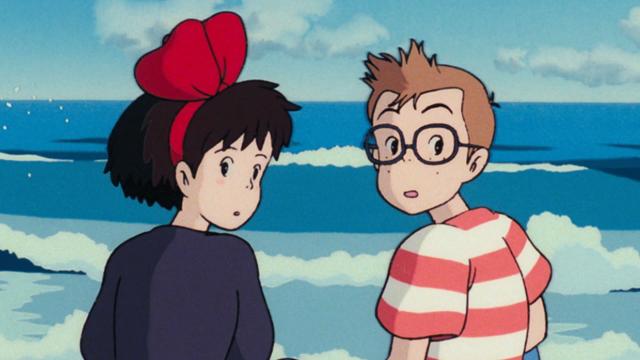
The blatant theft of two-dimensional art to feed databases has just encountered its first corporate enemy. This week, the technology research team at Sony Group announced the official development of Protective AI, a tool designed exclusively to block algorithmic plagiarism. The system seeks to protect the copyrights of the audiovisual industry and ensure fair payments for the original illustrators and production companies that nourish the internet.
A shield for Studio Ghibli
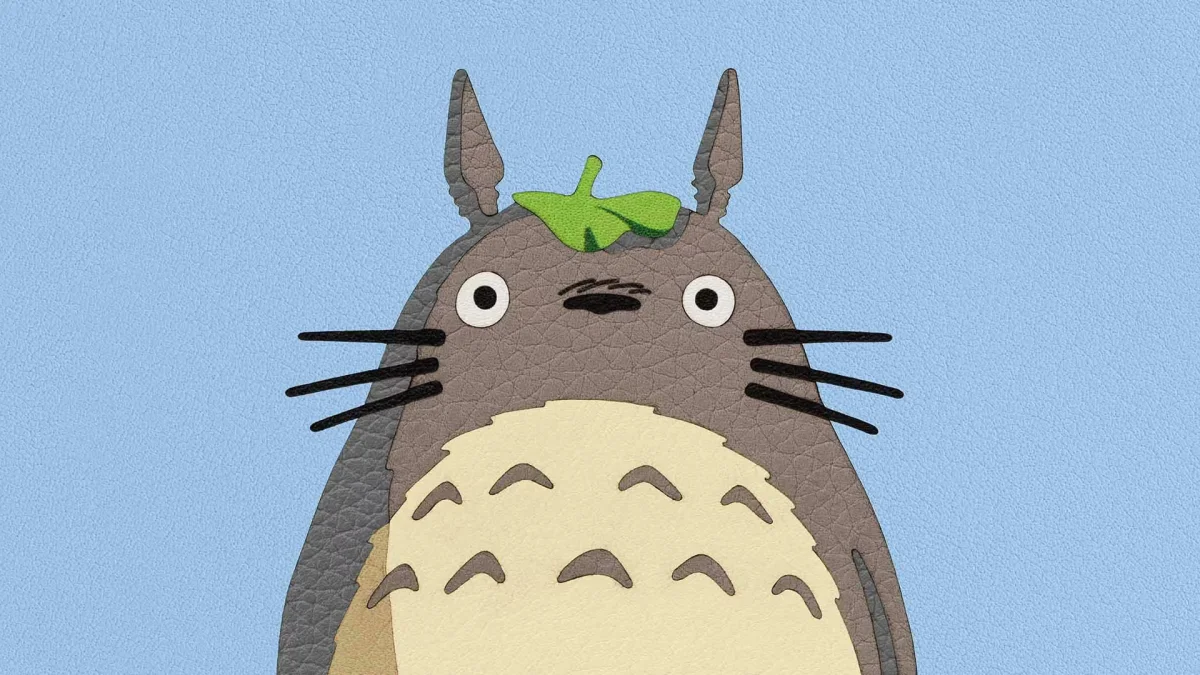
The main appeal of this technology is its ability to reject malicious text prompts. The program automatically blocks any attempt to generate images or sequences imitating the artistic style of Studio Ghibli. Users cannot replicate the visual style of classic Japanese animation films using keywords or deceptive indirect descriptions. The algorithm was specifically trained with the company's protected works to detect and expel any result that closely resembles the original product.
The precise collection of royalties
The project is not limited to censoring graphic results. The Japanese company integrated a mathematical calculation system capable of tracking the exact influence of a file within an artificial generation. This pinpoint measurement allows for determining what percentage of a song or video was used by the machine. With this hard data, the tool aims to force commercial platforms to pay direct royalties to the owners of the original material.
The future of digital illustration
The corporate initiative remains in its internal research phase. The multinational has not implemented the code in its own commercial departments nor announced a public release date in the short term. However, the concept promises to ease the current tension between Silicon Valley developers and artists within the otaku culture who suffer the daily theft of their portfolios on social media.
Considering the ease with which current applications clone artistic styles, do you believe that technology companies will actually agree to use this tool to pay royalties for the art they use to train their machines?
Reactions
Share
Related articles
What Sanae Takaichi Really Said About the Cockroach: Lost Meaning, Phoenix, and a Misread Headline

Stay Updated: The Best Anime and Gaming News
Japan's Foreign Population Surge: A Demographic Shift Reshaping Major Cities
0 Comments
You must log in to leave a comment
Be the first to share your thoughts on this article.
No comments yet
Be the first to share your thoughts on this article.