Japan’s First 7-Eleven Inside a High School Opens at Kochi Chuo
A compact campus store replaces the cafeteria, changing how students eat, shop, and get through the day

You walk into a high school expecting the usual rhythm—classrooms, clubs, a cafeteria line that smells like warm rice—yet at Kochi Chuo High School in Kochi Prefecture, that familiar rhythm now shares the hallway with something unmistakably modern: a 7-Eleven, glowing like a small lighthouse for hungry teenagers.
Opened on 1 June inside the school grounds, this is the first time a 7-Eleven has operated inside a high school in Japan, and it sits where the cafeteria used to be, as if the building simply changed costumes overnight while the students kept moving.
From cafeteria trays to convenience-store aisles
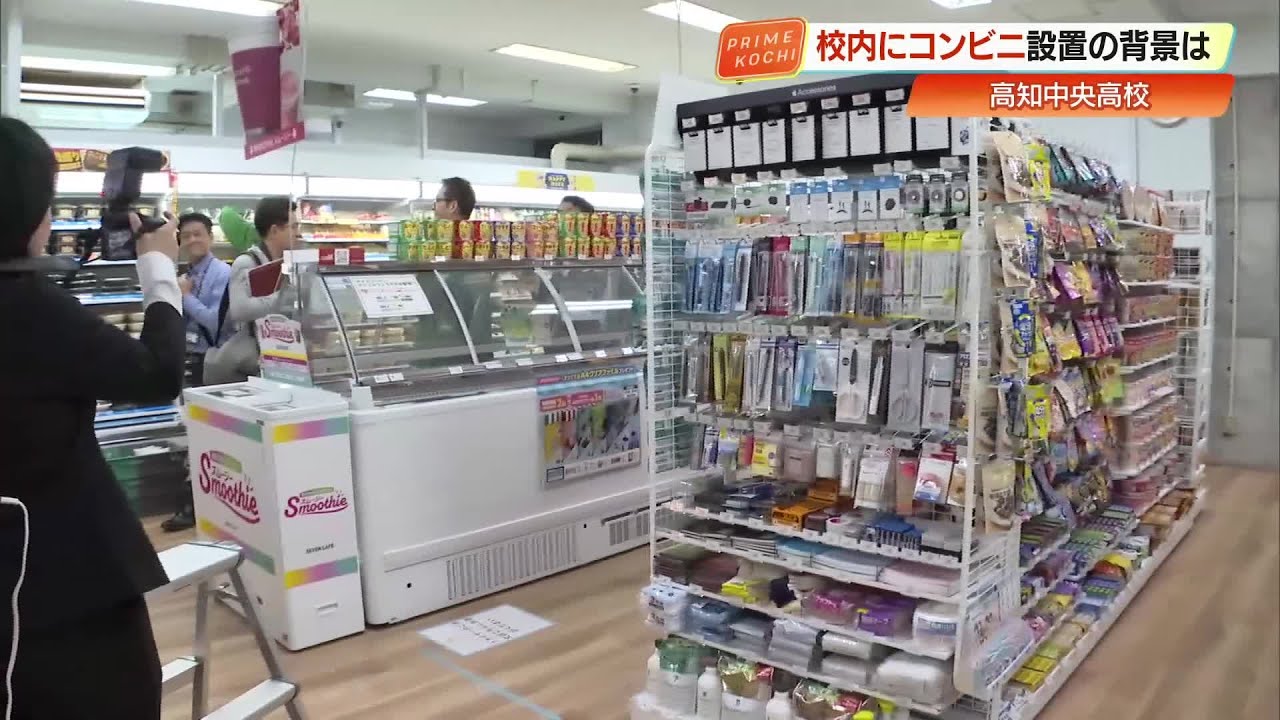
The new shop is compact but busy, carrying about 1,200 items inside roughly 100 square metres (about 1,080 square feet), and 7-Eleven frames it as part of its growing push for “compact stores”—branches designed for places with limited space and very specific needs, like schools, offices, or institutions where demand comes in sharp waves.
Kochi Chuo fits that profile, not only because of the footprint, but because it is a private school with boarding facilities, a reality that is fairly common in rural areas; with around 700 students enrolled and about one-third living in the dorms, the simple promise of three meals a day is not a luxury, it is the backbone holding daily life together.
Why the switch happened—and why it stung
The story behind the new store is practical, and a little heavy: in late February, the cafeteria operator told the school it would be difficult to continue due to rising costs and staff shortages, and even after the school tried to find a replacement operator, no alternative could be secured.
By early April, the school decided that a convenience store could provide the steady meal access it needed, and the cafeteria closed on 13 May; until the 7-Eleven opened, students received packed lunches, yet some parents—especially those who had enrolled their children in April without knowing the cafeteria was about to disappear—voiced anger at the lack of advance notice, while others worried about what happens to a teenager’s diet when chips and ice cream sit within arm’s reach, waiting like a temptation in a freezer.
The school has argued that, under the circumstances, this was the most stable solution, particularly at a time when Japan’s falling birthrate continues to squeeze enrollment numbers nationwide, and when Kochi Chuo itself is working through financial restructuring that includes measures like raising tuition and adding fees for school bus services to reduce deficits.
How the campus 7-Eleven works day to day
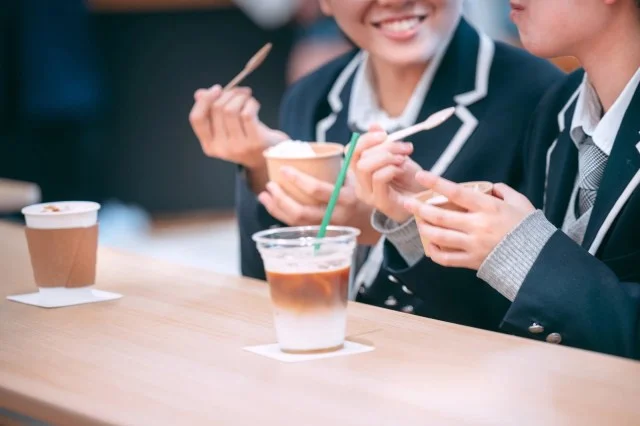
This branch is reported to be about 25–50% smaller than a typical store, and its operating hours run from 7:00 a.m. to 7:30 p.m., with access limited to students and select school-related staff, which makes it feel less like a public street corner and more like a shared pantry that just happens to be branded.
To keep things flowing, the store uses a QR-code-based purchasing system so students can buy items without lining up at a traditional register, and dormitory residents will receive 30,000 yen (about US$187.58) worth of points for use in the store—an incentive that softens the transition, even if it cannot fully replace the comfort of a planned cafeteria meal.
At the school’s request, the shop emphasizes freshly prepared fried foods and aims to maintain a stable supply of lunches, drinks, stationery, and daily necessities, so the store is not merely a snack stop but a functional replacement for a system that used to feed a campus on schedule.
Balancing convenience with nutrition
Principal Tomoyuki Tsutsumi has said the school plans to coordinate with club advisors and 7-Eleven so students can maintain balanced diets as they rely more on convenience-store meals, and the school is even considering a guide that includes nutritional information and meal suggestions—because when choice expands overnight, guidance becomes the quiet handrail that keeps you from slipping into bad habits.
At the same time, Kochi Chuo is looking at expanding dormitory cooking facilities for students who want to prepare some of their own food, and there is already a small, telling example: basketball club members are reportedly cooking rice for themselves in a large rice cooker three times a day, a routine that feels like a modest act of independence, repeated until it becomes normal.
Listening, adjusting, and what might come next
The school’s motto is “Self-reliance and Independence,” and the transition has not been flawless, but it is being treated as something that can be tuned rather than simply endured; product selection is expected to evolve based on feedback, and parents have been invited to share opinions and requests through questionnaires, turning everyday purchasing into a kind of ongoing conversation.
If this experiment holds—if meals stay stable, budgets stay controlled, and students find a healthier rhythm inside a world of bright packaging—Kochi Chuo may become a model other schools consider, and the partnership could even open doors for student-led product ideas, echoing projects like the carrot dorayaki that students have developed in other school-linked initiatives.
Reactions
Share
Related articles

What Sanae Takaichi Really Said About the Cockroach: Lost Meaning, Phoenix, and a Misread Headline

Stay Updated: The Best Anime and Gaming News
Japan's Foreign Population Surge: A Demographic Shift Reshaping Major Cities
0 Comments
You must log in to leave a comment
Be the first to share your thoughts on this article.
No comments yet
Be the first to share your thoughts on this article.