Hama Sushi prank in Japan ends in arrest: TikTok “views” cost a man big time
A 43-year-old in Saitama sprayed liquid on conveyor-belt sushi, posted it online, and police moved fast

You go to conveyor-belt sushi in Japan because you trust the system. You sit down, you order, and your plate rolls up like magic. No drama. No “cipote doing dumb stuff for likes.” Well… not this time.
A 43-year-old man in Saitama recorded himself spraying liquid from a dish-soap-style bottle onto a plate of sushi at Hama Sushi. Then he posted it on TikTok. His reason? “To get a lot of views on social media.” And look, he got attention… just not the kind you want when police are involved.
Qué pasó en Hama Sushi (y por qué enoja tanto)
The video was filmed at a Hama Sushi branch in Saitama Prefecture and uploaded on May 27. About a week later, Saitama Prefectural Police identified him as an unemployed resident of Moroyama and arrested him on suspicion of forced obstruction of business.
And here’s the key detail: this wasn’t old-school conveyor sushi where random plates drift around and anyone grabs them. Many places now do a more controlled system: you order, the sushi is made, and the plate stops at your table. In the clip, the plate stops at his seat, and he even takes it off the belt.
So you might think: “Then he only messed up his own food, right?” Not so fast, maje.
El problema no es solo el plato: es el riesgo
He sprayed the liquid while the plate was still on the lane. That means splashes could hit other plates, the belt, or nearby areas. Even if it’s “just water,” the restaurant can’t magically prove that after the fact. And customers watching at home won’t say, “Oh, okay, it was probably water.” They’ll say: “That’s nasty.”
“Era agua” no te salva cuando ya lo subiste
The man reportedly claimed he had emptied the container and refilled it with water before doing it. Maybe yes, maybe no. But online video doesn’t come with a lab report.
Here’s the part that hits hard: even if nobody else ate that specific sushi, posting the clip creates a public image of a chain being unsafe. And for conveyor-belt sushi, trust is everything.
Think about it like this:
Example 1: You see a video of someone messing with food on a shared system. Next time you’re hungry, you pick another place. Simple.
Example 2: Your friend says, “Let’s go Hama Sushi.” You answer, “Nah, I saw that TikTok.” Boom. Reputation damage.
Por qué Japón se toma esto tan en serio
Japan runs on social trust in public spaces. And conveyor-belt sushi is basically that trust on a motor. Industry estimates say Japan has around 3,000+ conveyor-belt sushi restaurants. That’s a lot of businesses depending on people not acting like bayuncos.
Also, this isn’t happening in a vacuum. In 2023, Japan saw a wave of conveyor-belt sushi prank incidents. Since then, companies and the public have had zero patience for anything that smells like “food tampering content.”
Hama Sushi’s parent company, Zensho, called the behavior unacceptable and said it would cooperate fully with the investigation and legal process.
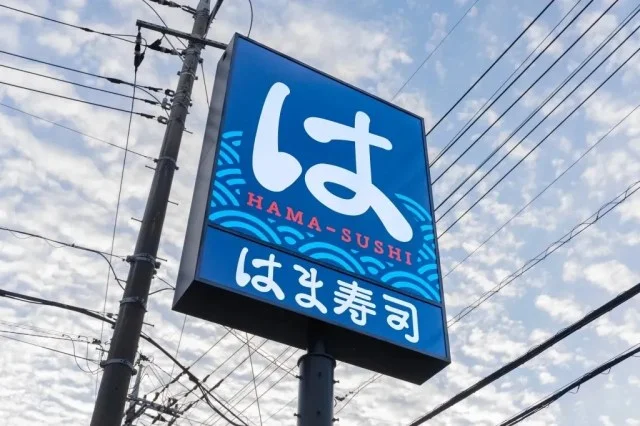
So yeah. If your plan is “do something gross for views,” remember: views don’t pay lawyers. And in Japan, messing with food systems can get you more than comments. It can get you handcuffs.
Reactions
Share
Related articles

What Sanae Takaichi Really Said About the Cockroach: Lost Meaning, Phoenix, and a Misread Headline
Stay Updated: The Best Anime and Gaming News
Japan's Foreign Population Surge: A Demographic Shift Reshaping Major Cities
0 Comments
You must log in to leave a comment
Be the first to share your thoughts on this article.
No comments yet
Be the first to share your thoughts on this article.