Netflix prepara una serie live-action de Persona: ¿mantendrá la esencia que tú amas?
Sega y Atlus se suben al tren de las adaptaciones de videojuegos, pero el gran riesgo es cambiar el mundo escolar japonés que define a Persona


You feel it, right? Superhero stuff is starting to feel like the same pupusa, same filling, every Friday. Hollywood knows it too. And now they’re hunting for new stories where the fans already exist. That’s why video games are getting picked like mangoes in season. The next big target: Persona.
Netflix is developing a live-action streaming series based on the RPG franchise originally published by Atlus, now under the Sega umbrella. And yes, that sounds exciting… and also a little scary. Because with Persona, if you mess up the vibe, fans will notice in two seconds. Like when someone tries to sell you “horchata” and it’s basically sugar water.

Lo que se sabe del proyecto

Right now, the project is in development. The big name attached is Christopher Monfette, who will write and run the show. His credits include 9-1-1 and Star Trek: Picard. He’s also listed as an executive producer, along with several others.
On the Sega side, the Japanese name attached is Toru Nakahara. He’s basically Sega’s U.S.-based point man for Hollywood projects, including the Sonic the Hedgehog movies. He’s also set as an executive producer on this Persona series.
Here’s the detail that can make you raise an eyebrow: most of the top crew listed are not Japanese. That doesn’t automatically mean disaster, but it does put one question on the table: will they keep Persona feeling like Persona, or will they “Westernize” it until it’s unrecognizable?
And before you ask: no, there’s still no official word on which Persona game they’re adapting. That’s the whole mystery right now.
Qué historia podrían adaptar (y por qué importa)
Persona games share themes and style, but each numbered entry is mostly its own world: new city, new students, new drama, new secrets. So choosing the “right” one matters a lot.
Persona 5 is the most recent numbered entry, but the original release dates back to 2016. That’s a lifetime in internet years. It’s still popular, but it’s not “new” in the marketing sense.
Now look at the calendar: Persona 4 Revival is slated for 2027. That timing is juicy. If Netflix drops a series around the same window, Sega gets cross-media hype: people watch, then people buy, then people argue online like it’s a sport. That combo is exactly what companies love.

And then there’s Persona 6, officially announced as in development. But let’s be real: Sega probably doesn’t want a brand-new mainline game—the first entirely new numbered entry in over a decade—to share oxygen with a live-action spin. If you’re launching the “new era,” you don’t want the conversation split.
So if you’re placing bets, Persona 4 looks like the cleanest move for synergy. Not confirmed. Just the most logical chess move on the board.
El gran miedo de los fans: perder la identidad
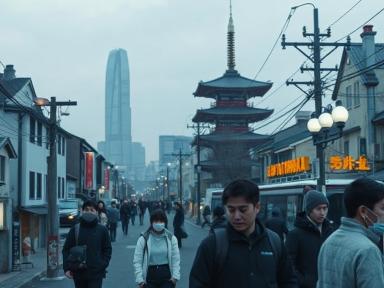
Persona isn’t just “teenagers with powers.” It’s the specific rhythm: Japanese high school life, tight friend groups, rainy afternoons, convenience stores, clubs, exams, awkward talks that turn into deep bonds. You know, the stuff that makes you care before the supernatural punch lands.
Sure, Persona’s magic doesn’t lean heavily on old-school Japanese mythology. But the casts are almost always Japanese high schoolers (with Persona 2 being the odd exception, and also one of the less popular entries). If the show moves the setting to the U.S. or somewhere else, you don’t just change street signs. You change the whole social temperature.
And Netflix has been here before. When a live-action adaptation shifts Death Note away from Japan, fans who knew the original didn’t take it lightly. Different names, different tone, different everything. The reaction was… loud. Like fireworks at 2 a.m. in the colonia.
But it’s not all doom. Netflix also pulled off something many people doubted: the live-action One Piece. The response was warmer than expected, partly because it kept the spirit, even while adjusting for real actors and real sets. That’s the path Persona needs: keep the soul, adjust the format.
Why Persona can work in live-action
Here’s the good news: a big chunk of Persona happens in the normal world. Talking at school. Walking home. Hanging out after class. Building Social Links through conversations that feel human.
That’s live-action friendly. And it helps the budget. Instead of trying to make every minute a special-effects parade, the show can save the flashy stuff for the “other world” moments. That’s where Persona goes full psychedelic, and that’s where you actually want the money on screen.
Quick context: Netflix is massive—over 270 million subscribers globally in recent reports. They can fund big projects. But even with money, smart spending wins. Persona’s structure naturally supports that: character drama most days, fantasy chaos when it counts.
What you should watch for next
Until Netflix confirms the exact game and setting, fans are basically reading tea leaves. But you can track a few key signals:
1) Setting: If they keep it in Japan, fans breathe easier. If they move it, they’ll need a really strong reason and a really faithful tone.
2) Cast age and vibe: Persona characters are teens. If the show suddenly feels like “30-year-olds playing high school,” people will roast it immediately. No mercy.
3) Visual style: Persona has a signature look. Even in live-action, you need that attitude—bold, stylish, confident. If it looks generic, you lose the magic.
So, has enough of Persona’s identity been retained yet? Right now, the honest answer is: you can’t tell. The project is still early. But the stakes are clear. If Netflix respects the core—school life, bonds, pressure, hidden worlds—fans can get something special. If they treat Persona like “just another teen fantasy,” it’ll crash faster than your phone battery when you forget low power mode.
Reactions
Share
Related articles

What Sanae Takaichi Really Said About the Cockroach: Lost Meaning, Phoenix, and a Misread Headline

Stay Updated: The Best Anime and Gaming News
Japan's Foreign Population Surge: A Demographic Shift Reshaping Major Cities
0 Comments
You must log in to leave a comment
Be the first to share your thoughts on this article.
No comments yet
Be the first to share your thoughts on this article.