Male Seiyuus Shorten the Gap in the Anime Industry
The Seiyu Grand Prix magazine confirmed a massive increase in the number of registered actors this year.

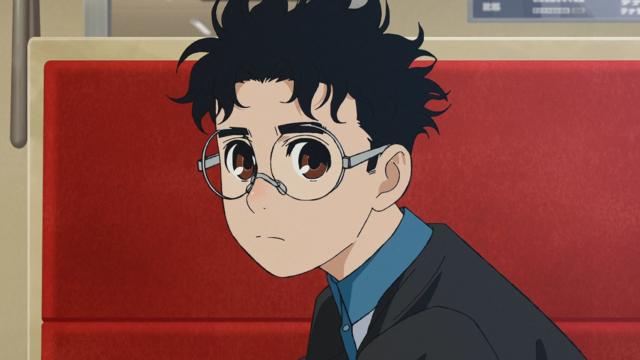
Getting a role in the anime industry is statistically a nightmare. This March 10th, the specialized magazine Seiyu Grand Prix officially published its Voice Actors Directory 2026, confirming that men are finally closing the employment gap in a massively saturated sector. The report exposes the harsh reality of a profession where thousands of talents fight for the same microphones.
700 men seeking a leading role
The male edition of the catalog recorded a historical maximum of 702 professional actors this year. This figure marks 14 consecutive years of uninterrupted growth. When the publication began tracking industry talent in 2001, there were barely 145 registered men. The male seiyuu market has practically quintupled in two decades, making the competition brutally ruthless.

The empire of voice actresses
The landscape is even more suffocating on the female side. The registry documented 1,135 women currently working in the field. This is the fifteenth consecutive year breaking overcrowding records, starting from the 225 actresses counted at the beginning of the century. Adding both fronts, Japan maintains 1,837 active actors trying to secure recording contracts season after season.
The business beyond the audio booth
The publication notes that the fever for acting responds directly to the high earnings of the animated sector. However, talents survive thanks to the diversification of their careers. Actors now scrape contracts in live-action television programs and advertising spaces. To facilitate these commercial hires, the magazine's directory has been operating for 25 years as a massive public resume that exposes very specific details of the talent:
- Work history: Recent photographs and highlighted roles in the industry.
- Personal data: Birthdates and exact places of origin.
- Talent profiles: Complementary information on hobbies, special skills, and blood types.
Seeing the absurd amount of current competition, do you think the Japanese industry produces too many voice actors for the few animes that premiere each year or can the market still support more talent?
Reactions
Share
Related articles
What Sanae Takaichi Really Said About the Cockroach: Lost Meaning, Phoenix, and a Misread Headline

Stay Updated: The Best Anime and Gaming News
Japan's Foreign Population Surge: A Demographic Shift Reshaping Major Cities
0 Comments
You must log in to leave a comment
Be the first to share your thoughts on this article.
No comments yet
Be the first to share your thoughts on this article.