Japan Breaks Its Historical Record and Surpasses 4 Million Foreigners
The Depreciation of the Yen and the Demographic Crisis Drive the Largest Migratory Wave in the Country's History

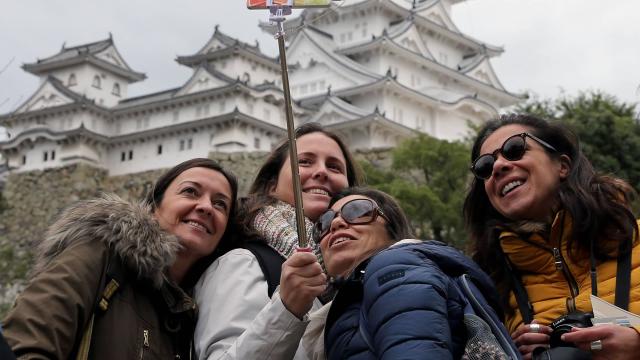
Japan's strict cultural isolation is losing the battle against its undeniable demographic collapse. This week, the government published through the Japan Immigration Services Agency the Foreign Residents Population Report, confirming that the immigrant quota broke the historic barrier of 4 million for the first time. The statistic closed at the end of 2025 with exactly 4.13 million non-Japanese people living legally in the Asian country.

An imported demographic explosion
The migratory increase is brutally constant and necessary to fill empty classrooms and abandoned job positions. In just four years, the international presence grew by 50 percent. The streets of Tokyo and rural provinces now depend on this injection of external talent to survive. The annual progression documented by the Japanese government shows an uninterrupted escalation that has not slowed since the beginning of the decade:
- End of 2022: 3.07 million foreigners.
- End of 2023: 3.41 million foreigners.
- End of 2024: 3.76 million foreigners.
- End of 2025: 4.13 million foreigners.
The devalued yen attracts students
Macroeconomics plays a perverse role in this massive relocation phenomenon. The historic weakness of the yen turned the archipelago into a true financial paradise for international students. Foreign families discovered that their savings yield much more when paying tuition and rents in Japanese currency. Thousands of otakus and university students are taking advantage of the local economic crisis to fulfill the dream of living in the mecca of manga at bargain prices.
The disillusionment of the workforce
However, the economic balance punishes another sector. While students celebrate the exchange rate, professional workers face a rather bitter reality. Earning a salary in devalued yen means that sending money remittances to their countries of origin is increasingly less profitable. This economic disadvantage threatens to drive away skilled labor in the long term, right at the exact moment when Japan needs more taxpayers to sustain its pension system.
Seeing the rapid cultural transformation of Japanese streets, do you think Japan will further relax its strict visa policies to retain all these new foreign workers?
Reactions
Share
Related articles

What Sanae Takaichi Really Said About the Cockroach: Lost Meaning, Phoenix, and a Misread Headline

Stay Updated: The Best Anime and Gaming News
Japan's Foreign Population Surge: A Demographic Shift Reshaping Major Cities
0 Comments
You must log in to leave a comment
Be the first to share your thoughts on this article.
No comments yet
Be the first to share your thoughts on this article.