Hideaki Anno’s Brutal Take on Turning 30: “After That, It’s All Downhill”
At the Evangelion:30+ festival, the Neon Genesis Evangelion creator shared a stark lesson about creative peak, aging, and what you should do in your 20s.


If you are about to turn 30 and you feel that quiet, heavy existential pressure sitting on your shoulders, Hideaki Anno just dropped a line that lands like an Eva unit stepping on concrete: not poetic, not comforting, just blunt enough to stay with you when the lights go out.
I remember sitting with friends a few years back, all of us doing that end-of-decade inventory you do when birthdays start to feel like checkpoints instead of parties, and what stood out was how everyone wanted the same thing: a clear instruction manual; what you are about to read is the opposite of that, ya pues, because it is more like a warning label.
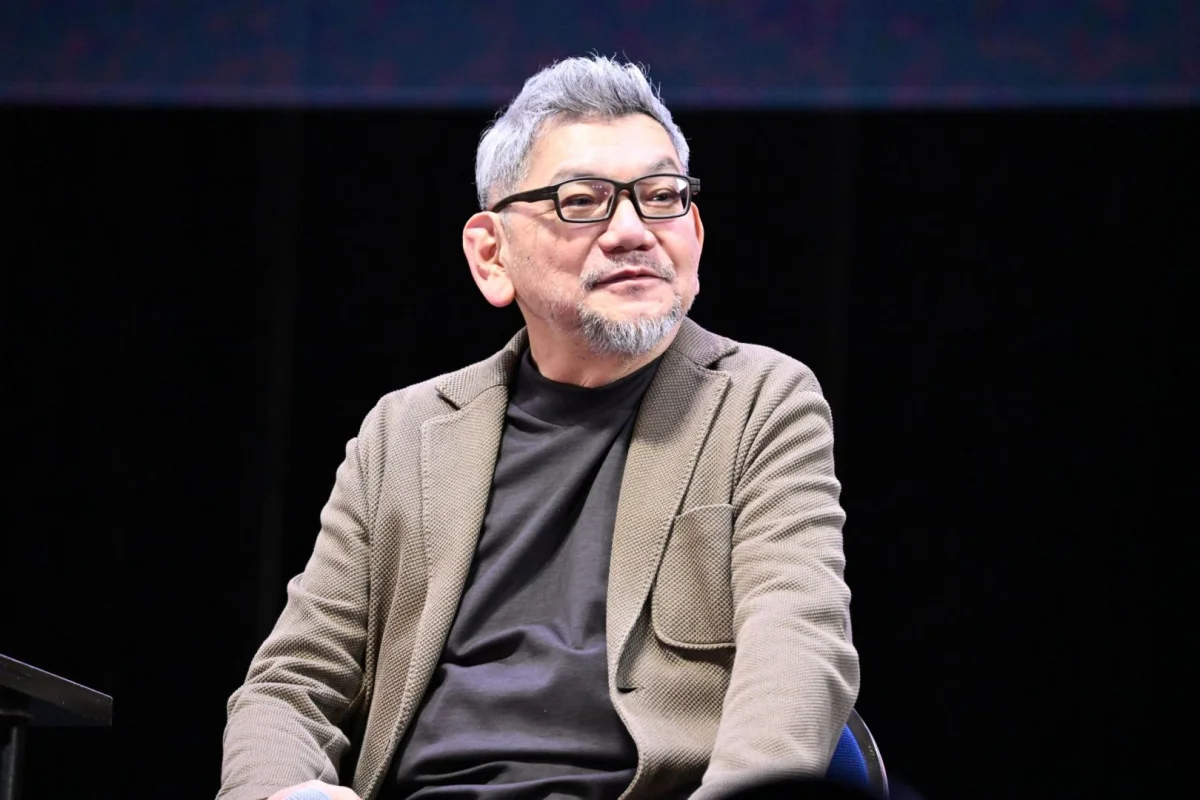
Lo que Anno dijo en “Evangelion:30+” y por qué incomoda
During the “Evangelion:30+” event, a fan asked Anno what a person should do or experience before reaching the dreaded third floor—your 30s—and his answer came out cold and direct: "After that, it’s all downhill." On stage, he was joined by director Kazuya Tsurumaki and the original voice cast, which made the moment feel less like a casual Q&A and more like a formal passing of an uncomfortable truth.
Instead of reframing it into a motivational speech, he backed it up with a lesson he said he received from the late director Noboru Ishiguro (Space Battleship Yamato): creators have a peak, and that peak is around 30; Anno didn’t soften the edges, and he didn’t try to sell you hope as a product, boludo, he simply agreed and moved forward as if this was an industry reality you are expected to handle.
La lógica detrás del “pico” y el descenso
Anno explained his own career through that lens: he worked on Aim for the Top! Gunbuster and Nadia - The Secret of Blue Water when he was around 30, and he described the strategy in a way that feels almost technical—he pushed his peak as high as he could so that the descent would be smoother; if you are lucky, he added, you might see a small rebound later, and that, in his words, is what a creator’s life can look like.
What you should notice is the core of his message: the real fight is not “staying young,” it is finding out how far you can develop your skills before 30, because after that milestone the clock “doesn’t forgive,” and you are left managing momentum rather than discovering raw acceleration.
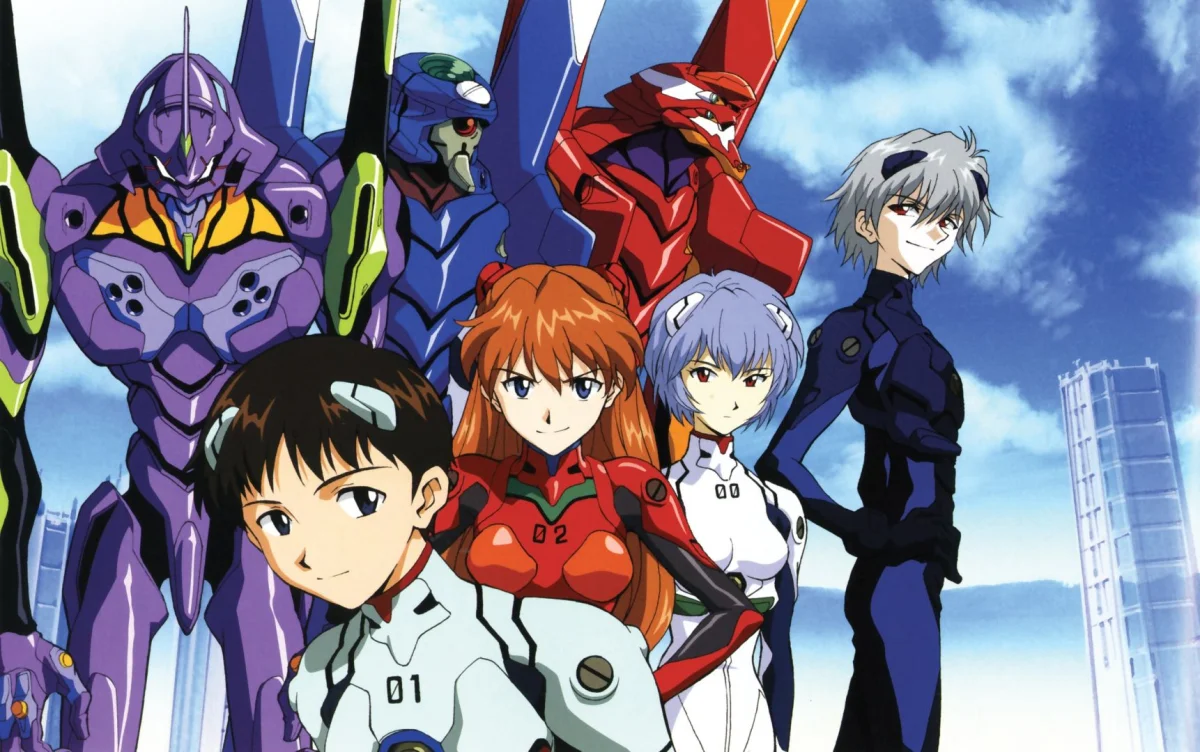
Los ejemplos que usó: Miyazaki y Tomino como prueba de fuego
To reinforce his point, Anno pointed to two untouchable names: Hayao Miyazaki and Yoshiyuki Tomino; on the surface, you might push back—Miyazaki built Studio Ghibli’s global dominance later in life—but Anno’s argument is about the intensity of the early creative burst, the phase where you set the foundations that later successes stand on.
Qué hicieron en sus treintas (según esta lectura)
- Hayao Miyazaki: in his 30s he was already shaping modern animation language through works like Future Boy Conan, Heidi, and his first feature film, Lupin III: El castillo de Cagliostro; the claim is not “he stopped later,” but that the early decades carried a particular kind of creative combustion.
- Yoshiyuki Tomino: in that same age range he redefined mecha storytelling with titles like Zambot 3, Space Runaway Ideon, and the first Mobile Suit Gundam anime, which is the kind of cultural impact that tends to become a reference point for generations.
If you read Anno carefully, he is not telling you that you become useless at 30; he is telling you that, for many creators, the conditions that produce their sharpest leaps—hunger, risk tolerance, speed of experimentation—can be harder to sustain as responsibilities and expectations stack up, even when the craft itself continues to mature.
Qué puedes hacer en tus veintes si tomas en serio esta idea
If you are in your 20s right now—or you are about to cross into your 30s and you still want to treat the next months as valuable runway—here are practical moves that align with the spirit of Anno’s advice, without turning your life into a panic timer:
- Study on purpose: pick one skill you want to master (storyboarding, compositing, writing, music, coding) and set a weekly routine you can actually sustain.
- Experiment aggressively: ship small projects fast, accept visible mistakes, and document what failed and why; keep the pace “bacán” but realistic.
- Collect feedback early: show work to people who will be honest, not just polite, and keep a log of recurring notes.
- Build a body of work: one finished short film, one completed manga chapter, one released game prototype—completed pieces beat “perfect plans.”
Now, answer this directly for yourself, and write it down: what skill will you push hard in the next 90 days, and what project will you finish even if it is imperfect? If you want a concrete next step, choose one item from the list today, schedule your first work session, and tell someone you trust what you are committing to, because accountability—chévere as it sounds—is often what keeps the work real.
Reactions
Share
Related articles
What Sanae Takaichi Really Said About the Cockroach: Lost Meaning, Phoenix, and a Misread Headline
Stay Updated: The Best Anime and Gaming News
Japan's Foreign Population Surge: A Demographic Shift Reshaping Major Cities
0 Comments
You must log in to leave a comment
Be the first to share your thoughts on this article.
No comments yet
Be the first to share your thoughts on this article.