What Sanae Takaichi Really Said About the Cockroach: Lost Meaning, Phoenix, and a Misread Headline
A closer look at the Japanese post that sparked a viral claim, and why the feeling behind it was never about isolation


A small word can bend a whole story. I have seen this many times growing up between Korean roots and life in Mexico: when language crosses borders, meaning can arrive with bruises. That is what happened when a headline claimed Japan’s prime minister Sanae Takaichi was so lonely she had befriended a cockroach. The line spread fast, but the heart of her message was somewhere else entirely.
The original post was not a confession of isolation. It was a reflection on life, loss, and the quiet mark that Hi no Tori by Osamu Tezuka left on her since childhood. When that context disappears, the whole sentence changes color.
How the cockroach story was twisted
Takaichi wrote about life at the prime minister’s official residence after being asked if she had seen any ghosts there. Her answer moved in a very human direction. She said she had not seen ghosts, but she had seen cockroaches, and they made her scream.
That detail matters. She did not describe affection first. She described surprise, discomfort, and disgust. Then she explained that even so, she finds it hard to kill living things. That feeling came from years of reading Phoenix, known in Japanese as Hi no Tori.
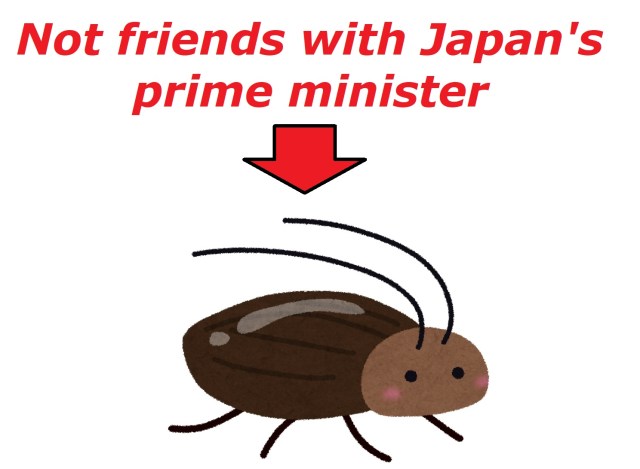
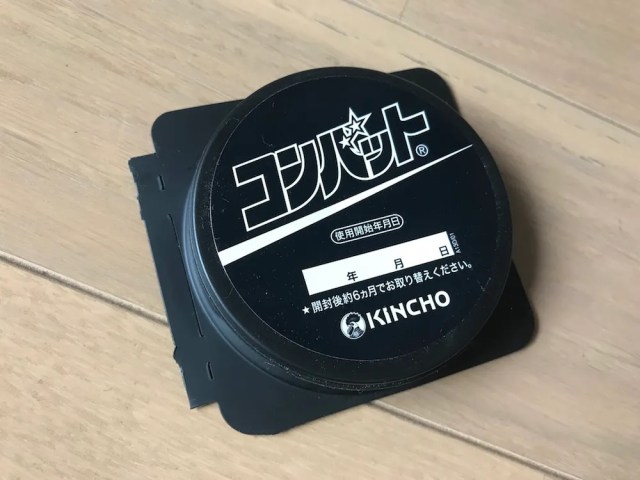
In her post, she said she wondered if those insects were also part of a long chain of reincarnation. So she hoped they would leave on their own. Later, a secretary took care of the problem with roach traps. After that, she said she felt relieved, but also a little sad.
That is very different from saying she made friends with a cockroach. The image pushed by the headline feels sharp and catchy, but it does not match what she actually expressed.
The weight of sabishii
This is where literal translation becomes a slippery floor. Takaichi used the word sabishii. In English, “lonely” is the fastest translation, but not always the cleanest one.
Sabishii can point to sadness caused by an absence. It does not always mean social isolation. It can carry the feeling of a room after someone leaves, or the hush that remains when something living is suddenly gone. In this case, her sadness came after the cockroaches disappeared, not because they had become emotional companions.
If you read her words closely, the mood feels nearer to:
- melancholy
- a sense of emptiness
- unease after a life is gone
That nuance is the thread. Pull it out, and the fabric tears.
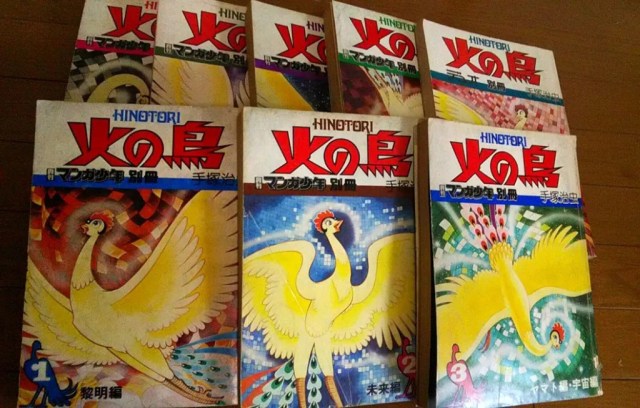
Why Hi no Tori matters so much here
For many readers, this story cannot be understood without Osamu Tezuka. Hi no Tori is not just another manga title in her post. It is the lantern lighting the whole scene.
The series explores reincarnation, time, and the way lives connect beyond one single form. Its stories stretch across eras, from the ancient world to futures filled with science fiction. Yet the pulse stays the same: life moves, changes, disappears, and returns.
Takaichi said those ideas stayed with her from childhood into adulthood. Because of that, she still struggles to kill insects, even cockroaches. Her feeling was not attachment born from loneliness. It was hesitation born from a belief that life, even small and unwanted life, is connected.
I remember as a niña in Mexico, when one phrase from home would be explained too quickly in Spanish and suddenly sound colder than it was. That sting stays with you. A sentence may survive translation, but its soul sometimes does not.
What she actually described
If you lay out the sequence clearly, the misunderstanding becomes easy to see:
- She was asked about ghosts at the residence.
- She answered that she had seen cockroaches instead.
- She said they made her scream.
- She explained that Hi no Tori shaped her views on life and reincarnation.
- Because of that, she could not bring herself to kill them.
- Her staff later removed them with traps.
- She felt both relieved and a little sad afterward.
There is no point in that chain where “friendship” appears. There is no confession that work left her so alone she turned to insects for company. That narrative was added from the outside.
The bigger issue behind the headline
Foreign coverage of Japan sometimes reaches for the unusual first. It is an easy road. One strange image becomes bait, and context falls like leaves in hard wind. But Japan does not need to be bent into caricature to be interesting.
This case also shows another danger: too much trust in direct translation without cultural feel. Words can look simple and still carry different emotional shapes. When cause and effect are also flipped, the result is not just clumsy. It is misleading.
Takaichi’s post was not about being cut off from people. If anything, it argued the opposite. It suggested that no life stands fully alone, and that even a tiny creature can stir reflection about connection, death, and responsibility.
A story about language, not eccentricity
What remains after the noise is a much more grounded story. A politician saw a pest, reacted badly, remembered a manga, hesitated because of what it taught her, and then felt conflicted when the insects were gone. That is not bizarre. It is layered, a little awkward, and deeply shaped by culture.
And honestly, that is why it matters. Hi no Tori was not decoration in her post. It was the bridge between fear and compassion. Without that bridge, readers were handed a false portrait.

If you cover Japanese language and culture, the lesson is simple:
- read beyond the quickest translation
- respect context
- do not force a stranger headline than the facts allow
Words travel far, but they still deserve to arrive whole. If you care about anime, manga, and the ideas that shape public figures in Japan, look again at Hi no Tori. And if a viral headline feels too neat, pause for a second and follow the original meaning before it slips away.
Reactions
Share
Related articles


0 Comments
You must log in to leave a comment
Be the first to share your thoughts on this article.
No comments yet
Be the first to share your thoughts on this article.