Japan's Demographic Shift: A Country in Transition
As local numbers dip below 120 million, the foreign resident population reaches an unprecedented high.

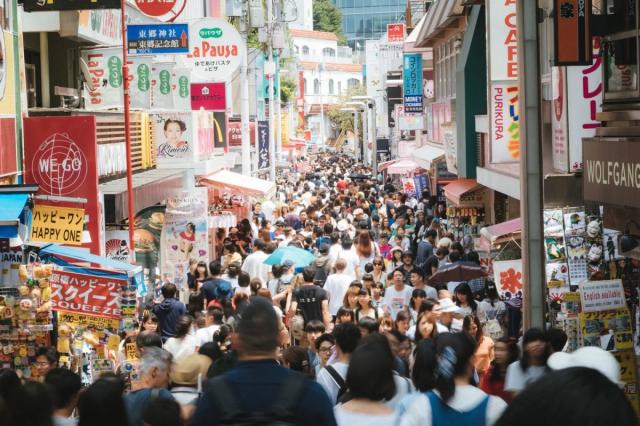
We have spent enough years watching the anime landscape change to know that nothing stays the same forever. Just as the industry evolved from the hand-drawn cels of our youth to the polished digital spectacles of today, Japan itself is undergoing a transformation that feels like the opening scene of a complex drama. Data released on January 1, 2026, confirms a milestone we have been tracking with a mix of curiosity and concern: the number of Japanese citizens has officially dipped below 120 million for the first time since 1984.
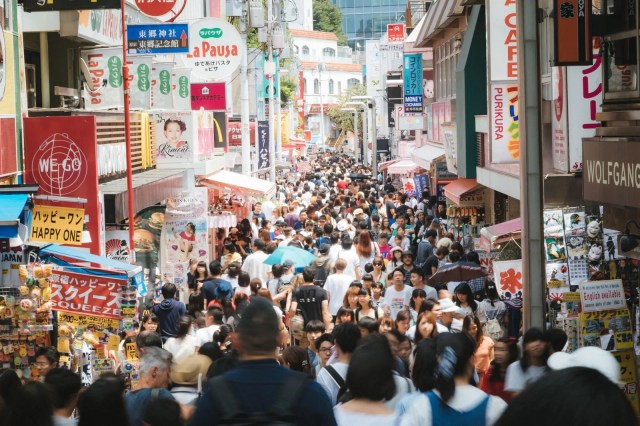
It is a bit like watching a long-running series where the cast starts to dwindle. The numbers are clear: a drop of approximately 917,000 citizens in a single year. This marks the largest annual decline since records began in 1968. With 1.59 million deaths against a record low of 670,000 births, we are looking at a demographic puzzle that would make even the most seasoned strategist scratch their head. It is a slow-motion sunset, and for those of us who have followed the culture for decades, it feels quite surreal.
The Shifting Landscape of the Prefectures
When we look at the map, the situation becomes even more vivid. Except for Tokyo, which saw a tiny uptick of 0.09 percent, every single one of Japan’s 47 prefectures experienced a decline in its domestic population. Places like Akita, Aomori, and Kochi are feeling the pinch the hardest, with drops ranging from 1.70 percent to nearly 2 percent. It is a stark contrast to the bustling, neon-lit streets of Shinjuku that we see in our favorite shows.
Yet, like a plot twist in a well-written manga, there is a counter-narrative unfolding. While the native population shrinks, the foreign resident community is expanding with remarkable speed. We are now looking at over 4,031,159 foreign residents living across the country. Unlike the domestic figures, this growth is not limited to the capital; it is happening in every prefecture. It is as if the country is quietly rewriting its own demographic script.
What Does This Mean for the Future?
Some might say Japan is a ship navigating through uncharted waters. The government is already tightening requirements for permanent residency, trying to balance the need for new blood with the preservation of traditional structures. It is a delicate act, akin to trying to keep a balance in a high-stakes arena battle without breaking the scenery. With tourism numbers hitting record highs in 2025, the influx of international faces is likely to remain a permanent fixture of the landscape.
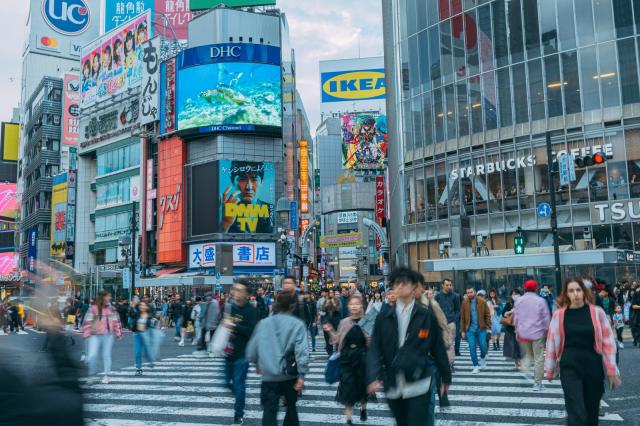
We have seen many seasons pass in this country, and while the statistics might seem dry, they represent a fundamental change in the rhythm of daily life. Whether this leads to a revitalized society or further challenges remains to be seen. For now, we continue to observe, analyze, and appreciate the resilience of a nation that always seems to find a way to adapt to the changing tides. If you want to stay updated on how these shifts impact the culture we love, make sure to keep following our latest reports. The story of Japan is far from over; it is simply entering a new, unexpected arc.
Reactions
Share
Related articles

What Sanae Takaichi Really Said About the Cockroach: Lost Meaning, Phoenix, and a Misread Headline

Stay Updated: The Best Anime and Gaming News
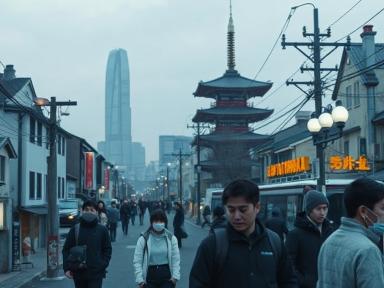
Japan's Foreign Population Surge: A Demographic Shift Reshaping Major Cities
0 Comments
You must log in to leave a comment
Be the first to share your thoughts on this article.
No comments yet
Be the first to share your thoughts on this article.