Man sentenced for publishing Overlord plot without permission
KADOKAWA secured a conviction against a site that profited by publishing the story of Overlord III.


If you thought that in the anime industry only uploading full episodes to the internet could get you into serious legal trouble, you are very mistaken. This April 16, 2026, the publishing giant KADOKAWA announced a resounding victory in court by securing a guilty verdict against the operator of a website dedicated to transcribing detailed stories of various series and movies without permission. The case that was the final straw and drove this massive lawsuit directly involved the third season of Overlord (Overlord III), whose rights belong to the publisher and its production committee.
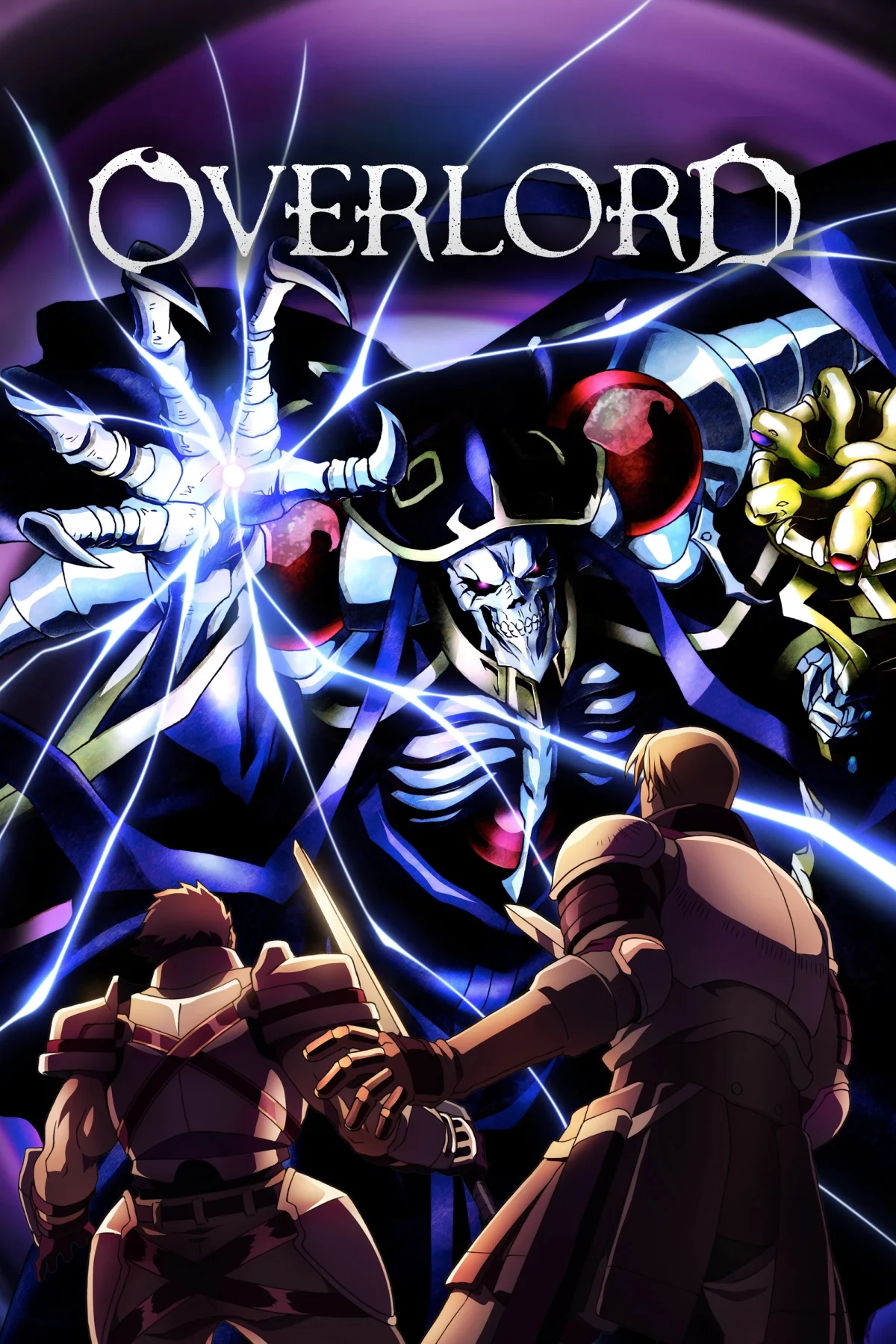
The lucrative business of illegal spoilers
Far from being a simple fan blog giving an opinion, this was a real money-making machine. The investigation showed that the site published massive transcriptions including every dialogue, character name, scene description, and background detail, all adorned with images captured directly from the anime. To achieve this volume of content, the operator (a corporate executive) even hired external writers to draft the texts. The objective was blatant: to generate immense traffic from readers looking to consume the story quickly and monetize those visits through juicy advertising revenue, committing a flagrant violation of copyright.
A harsh judicial punishment against piracy
Following an intense investigation supported by Toho and the anti-piracy organization CODA, the Tokyo District Court handed down a sentence of one year and six months in prison (suspended for four years), in addition to a heavy fine of one million yen for the main operator. It is worth noting that one of the hired writers had already been previously fined half a million yen. KADOKAWA took advantage of the historic ruling to clarify to the community that this legal hunt is exclusively directed against large-scale commercial piracy operations, ensuring that regular fans can continue discussing and sharing their thoughts on their favorite works without fear of retaliation.
Knowing that Japanese laws are extremely strict when money is involved, do you think these types of convictions will manage to curb the immense number of websites that profit from summarizing and leaking content from seasonal anime?
Related

Reactions
Share
Related articles

Draw This, Then Die! Season 2 Confirmed After Manga Awards and First-Season Finale

Hell Mode Season 3 Confirmed After Season 2 Finale

Elf Teacher's Toilet Gets Anime Adaptation — Yes, You Read That Right
0 Comments
You must log in to leave a comment
Be the first to share your thoughts on this article.
No comments yet
Be the first to share your thoughts on this article.