Komi's College Chapter: The Awkward Silence Returns After Hiatus
Tomohito Oda breaks the quiet with a surprise glimpse into Tadano and Komi's university life, proving their story was never truly over.

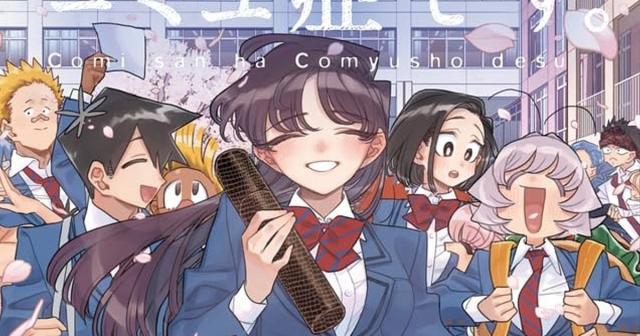
We thought the final curtain had fallen. The last panel was inked, the 37th volume shipped, and we had settled into that familiar post-series melancholy. Then, like a perfectly timed punchline from a shy character finally finding their voice, the official channels buzzed back to life. Tomohito Oda's "Komi Can't Communicate" is getting a new chapter. Not a flashback, not a side story, but a direct continuation into the college lives of Hitohito Tadano and Shoko Komi. It feels like finding an extra piece of candy at the bottom of the bag you thought was empty—a delightful, unexpected surprise.
The Silence is Broken: What We Know About the Comeback
Announced via the manga's official X (formerly Twitter) account, this new slice-of-life will appear in the 29th issue of Shogakukan's Weekly Shonen Sunday magazine, hitting shelves this Wednesday. This marks the first new material since the manga concluded its serialized run in January 2025. For a series that spent nearly a decade exploring the agonies and ecstasies of social anxiety, this sudden return feels less like a revival and more like the author simply had one more notebook page to fill. The central premise remains beautifully intact: a timid boy helping the profoundly awkward, yet universally adored, Komi navigate the treacherous waters of human connection. Only now, the setting has shifted from the halls of Itan High School to the presumably more chaotic, independent landscape of university.
Oda first introduced the world to Komi in a one-shot in September 2015, with the full serialization launching in May 2016. It became a cultural touchstone, a series that made awkwardness feel universal and heroic. The journey to 100 friends was a marathon, not a sprint, filled with unforgettable side characters and painfully relatable scenarios. The fact that Oda is revisiting these characters after their "happy ending" suggests that friendship, like any good story, doesn't have a firm stop—it just changes venues.
From Manga Panels to Global Screens
While the manga carved its path in print, the anime adaptation ensured Komi's unique brand of silent comedy reached a global audience. The first season premiered in Japan in October 2021, with Netflix securing exclusive streaming rights and rolling it out to over 190 countries and territories just weeks later. It was dubbed in eight languages and subtitled in 31—a testament to the story's wordless, expressive heart transcending language barriers. A second season followed in April 2022, and a live-action drama series had already premiered on NHK in September 2021. The property was everywhere, a quiet conqueror of multiple media formats.
For those catching up, Viz Media's English release perfectly encapsulates the premise: "Timid Tadano is a total wallflower, and that's just the way he likes it. But all that changes when he finds himself alone in a classroom on the first day of high school with the legendary Komi. He quickly realizes she isn't aloof—she's just super awkward. Now he's made it his mission to help her on her quest to make 100 friends!" It’s a premise so simple and profound it makes you wonder why nobody thought of it before. The humor isn't in loud gags, but in the microscopic details of social terror and the small, brave victories against it.
Why This Return Matters More Than Just Another Chapter
In an industry where endings are often definitive, this move by Oda and Shogakukan is intriguing. It's not a full-blown sequel series (yet), but a discreet check-in. It acknowledges that characters we love continue living beyond the final page. What does university life look like for someone like Komi? Are lecture halls more intimidating than high school classrooms? Does Tadano's supportive role evolve? This chapter promises to explore the next natural phase of social development, where the training wheels of high school structure come off.
From a fan's perspective, it’s a gift. It’s the author saying, "I miss them too." For the industry, it's a fascinating case study in audience retention and the power of intellectual property. The manga may have ended, but the world and its beloved inhabitants clearly still have pull. This isn't a desperate reboot; it feels like a natural, almost inevitable, extension. Like running into old friends from school years later and picking up right where you left off, with just a few more life experiences under your belts.
The Legacy of Quiet Connection
"Komi Can't Communicate" did more than sell millions of copies worldwide. It created a shared language for introverts and the socially anxious. It demonstrated that communication isn't just about words—it's about patience, whiteboards, and the courage to try. The series normalized social struggles in a way few others have, wrapping them in warmth, humor, and genuine heart. This new chapter is a reminder that those struggles don't magically disappear after graduation. They morph, they change shape, but the core need for understanding and connection remains.
So, as we await this Wednesday's release, the question isn't just "what will happen?" It's "how will they have grown?" We're not returning to the beginning; we're visiting familiar souls in a new chapter of their lives. And in a world that often feels too loud, there’s something profoundly comforting about returning to a story where the quiet moments speak the loudest. Keep an eye on Weekly Shonen Sunday. The silent queen of awkwardness is back, and she might not say a word, but we'll be listening intently.
Reactions
Share
Related articles

Adachitoka Returns With New Manga Yadoya no Oinu-sama After Noragami’s Ending

Masami Kurumada demanda por millonaria malversación de fondos
Hikaru ga Shinda Natsu Manga to End in Two Chapters as Final Release Dates Are Confirmed
0 Comments
You must log in to leave a comment
Be the first to share your thoughts on this article.
No comments yet
Be the first to share your thoughts on this article.