Japanese Ethics Watchdog Clears Chainsmoker Cat After Smoking and Drug Use Complaints
BPO committee defends late-night anime's creative freedom despite divided opinions on controversial depictions

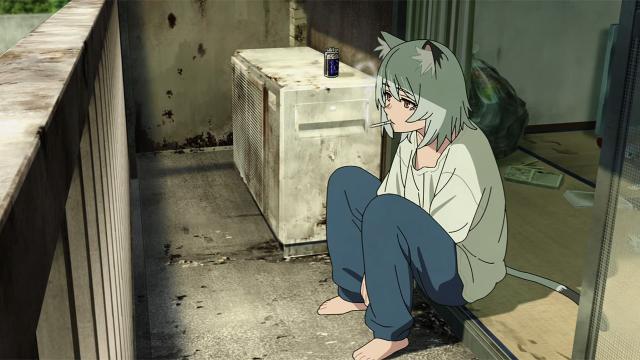
You are probably wondering what happens when an anime pushes the boundaries of acceptable television content in Japan. The answer, at least in the case of Chainsmoker Cat, appears to be a cautious but firm defense of artistic liberty. The Broadcasting Ethics & Program Improvement Organization, that independent watchdog that keeps Japanese broadcasters in check, recently wrapped up its examination of this particular late-night comedy after viewers raised alarms about its portrayal of smoking and substance use.
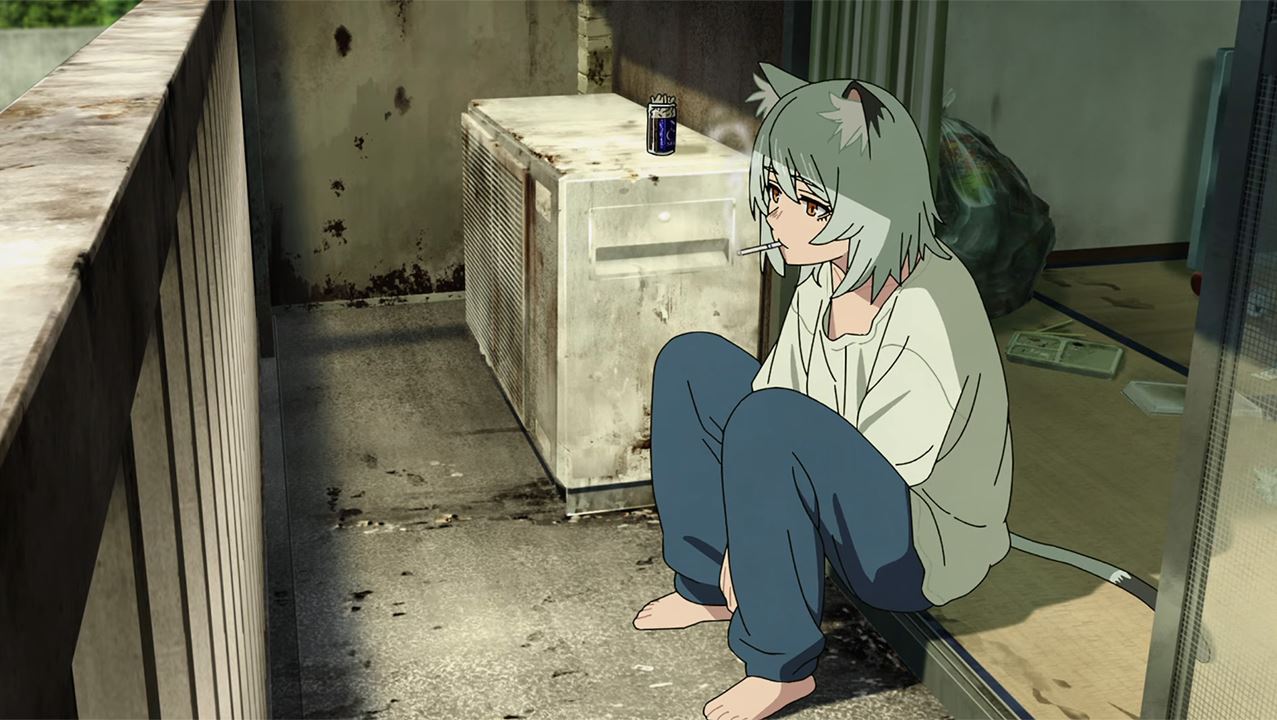
The complaints centered on Yaniko, the female cat-eared protagonist who seems to constantly have a cigarette between her fingers. Produced by Bibury Animation Studio and known in Japan as Yani Neko, the series began its dual broadcast on national television and Netflix in early July, quickly establishing itself as one of those shows that makes you do a double-take while channel surfing at two in the morning.
What the BPO Committee Actually Discussed
On July 28, the organization's youth committee convened to parse through the grievances. The published summary reveals a fascinating split in perspective among those tasked with safeguarding broadcast standards. Some members questioned whether repeated visual references to smoking and what appeared to be drug self-injection belonged on television at all, particularly given Japan's ongoing struggles with illegal substance abuse.
Here is where the deliberation gets interesting. The committee member overseeing the case pointed to the scheduling as a mitigating factor. By placing Chainsmoker Cat in a late-night slot, when presumably younger audiences have long since gone to bed, the producers had already demonstrated what the committee considered appropriate caution. The member further noted that since the anime never explicitly identifies the substances as illegal drugs, the content remained within acceptable bounds of expression.
The Animation Defense and Its Counterarguments
Another line of reasoning deployed in the anime's favor deserves your attention. The committee entertained the argument that animated works simply do not carry the same psychological weight as live-action programming when it comes to influencing behavior. This distinction between drawn and photographed reality has long served as a shield for anime creators exploring darker thematic territory.
Yet not everyone seated at that table accepted these justifications. One dissenting voice argued that a scene showing self-administered injection "can hardly be interpreted as anything besides stimulant use." This member expressed concern that broadcasting ambiguous content during a period of heightened social awareness around drug abuse represented a misjudgment, regardless of time slot or medium.

Where the Case Stands Now
The committee's ultimate decision, however, landed in favor of letting the matter rest. They chose not to advance the complaint to the next phase of deliberation, effectively closing the book on formal scrutiny of Chainsmoker Cat. For viewers following the case, this outcome suggests that Japan's broadcast ethics framework continues to grant substantial leeway to creators working in late-night animation, even when their content brushes against sensitive social issues.
You might find yourself asking whether this represents a consistent standard or merely the tolerance of an outlier. The BPO's handling of controversial anime has varied considerably across different cases. Consider, for instance, the recent situation with Mii-chan and Yamada-san, another series that proceeded with broadcast despite significant domestic backlash over its depictions of intellectual disability. The creators in that instance denied any discriminatory intent, much as Chainsmoker Cat's defenders emphasized its fictional nature.
Behind the Scenes of Controversial Production
The production culture surrounding this anime offers additional context for understanding its confrontational tone. Voice actresses for Yaniko and her companion Yakuko have spoken publicly about their recording experiences, revealing that the cast was explicitly instructed to treat the phrase "That was terrible" as a compliment during sessions. This directive suggests a creative environment that actively embraced discomfort and transgression as aesthetic values.
What does this tell you about the current state of anime production? Perhaps that there exists a viable commercial space for content that deliberately courts controversy, provided it maintains sufficient ambiguity to navigate regulatory frameworks. The late-night broadcast slot functions as both a practical scheduling decision and a semantic shield, signaling to audiences and oversight bodies alike that the material demands mature engagement.
Broader Questions About Content Boundaries
The Chainsmoker Cat deliberation raises several questions worth carrying with you as you consume Japanese media. How do broadcasting organizations balance creative freedom against social responsibility when the content in question occupies that nebulous territory between explicit condemnation and tacit normalization? Does the animation medium inherently deserve different ethical standards than live-action programming, and if so, on what basis?
The BPO's decision suggests that for now, at least, the answer to these questions favors creator autonomy over precautionary restriction. Whether this posture serves the long-term health of Japanese broadcasting or merely kicks difficult conversations down the road remains to be seen. What seems certain is that productions like Chainsmoker Cat will continue testing where exactly those lines sit.
For those interested in experiencing the controversy firsthand, the series remains available through its original broadcast channels and Netflix streaming. You can judge for yourself whether the committee's confidence in audience discernment was well-placed, or whether certain imagery might have been better left to imagination rather than animation.
The case ultimately demonstrates how Japan's self-regulatory media environment handles friction between artistic vision and public concern. No formal sanctions, no broadcast suspensions, just a recorded conversation and a decision to move on. Whether that represents institutional wisdom or institutional avoidance probably depends on where you stand regarding the responsibilities of mass media in shaping social attitudes.
Reactions
Share
Related articles

Draw This, Then Die! Season 2 Confirmed After Manga Awards and First-Season Finale

Hell Mode Season 3 Confirmed After Season 2 Finale
Elf Teacher's Toilet Gets Anime Adaptation — Yes, You Read That Right
0 Comments
You must log in to leave a comment
Be the first to share your thoughts on this article.
No comments yet
Be the first to share your thoughts on this article.