Mononoke The Movie: Chapter III Sparks Controversy After Secret Takahiro Sakurai Cameo—and Producer Kōji Yamamoto Retires
A surprise return of the original Medicine Seller, a delayed reveal, and an apology that closes one chapter behind the scenes

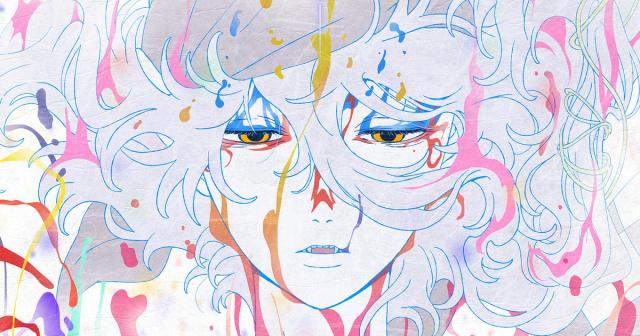
We’ve all seen “surprise cameos” before. Some land like a soft raindrop. Others land like a dropped tea tray in a silent room. Mononoke The Movie: Chapter III – The Curse of the Serpent (Gekijōban Mononoke Dai-San-Shō: Hebigami) went with the second option: a hidden return of the original Medicine Seller voice, and a decision that split the audience right down the middle.
A cameo that didn’t stay secret for long
The third film in the Mononoke trilogy opened in Japan on May 29. Inside it, theatergoers discovered something the staff had not publicly announced beforehand: Takahiro Sakurai appears in a cameo as the original Medicine Seller from the TV era.
To be precise, this isn’t about the Medicine Seller leading the film trilogy’s story—this cameo is tied to the “Ri” Medicine Seller from the original television series continuity. The reveal spread fast, because fans do what fans do: they notice, they compare voices, and they talk. A lot.
And once people realized there had been no prior announcement that Sakurai would return, the reactions arrived in two waves:
Wave 1: “That’s a cool reunion.”
Wave 2: “We should have been told before buying a ticket.”
We’ve got to admit it. A hidden cameo is like adding chili to the stew without warning anyone. Some of us will ask for more bread. Others will ask for a fire extinguisher.
The delayed reveal and the trailer that raised more questions
After opening weekend, the production side released a new trailer that shows the previous Medicine Seller and includes a spoken line. But even then, the material didn’t name who was voicing him.
That gap—image and voice presented, identity left unspoken—only kept the conversation alive. Fans who already recognized the cameo saw it as confirmation. Fans who hadn’t watched yet saw it as a spoiler-adjacent tease. Either way, silence became part of the story.
Then, on June 1—three days after the film’s opening—the staff finally acknowledged the character’s presence publicly. The timing mattered. A lot.
Kōji Yamamoto’s apology—and his decision to retire from producing
Kōji Yamamoto, the planning producer for the Mononoke film trilogy, posted a public apology and stated he would retire from producing. He also confirmed what many had already pieced together: Sakurai had been recast to reprise the original Medicine Seller for the cameo.
In his statement, Yamamoto took responsibility for how the information was handled. Not for the cameo existing, but for the lack of advance transparency around it. He framed it as a judgment call that backfired in a predictable way: you can’t ask an audience to make an informed choice if you keep key information behind the curtain.
He also said he would shift his focus toward management and training the next generation going forward. That’s a big pivot. In anime terms, it’s like leaving the battlefield to become the sensei. Less flashy. Still impactful.
Yamamoto’s producing track record includes a wide range of titles, such as anohana: The Flower We Saw That Day, The Ancient Magus’ Bride, Eden of the East, Lu over the wall, Princess Jellyfish, Psycho-Pass, ZENSHU., and The Tatami Galaxy. We’re talking about a career that has touched multiple corners of modern anime—TV, films, originals, adaptations—like a handprint across wet cement.
Why keep the cameo secret? The reasoning—and the backlash
Yamamoto explained the internal logic. While shaping the third film’s story and considering how to handle an enemy element near the end, the staff discussed the idea of summoning another Medicine Seller. They could have used a different incarnation, but chose the one fans associate with the original TV series—because many viewers had asked to see the Ri Medicine Seller again.
So the intention was fan service of the “carefully plated” kind. The staff believed they could bring him back in a way that would please people and still fit the narrative.
Then came the key choice: Yamamoto wanted viewers to experience that reunion without knowing beforehand. In other words: “Let the moment hit in the theater.” It’s a classic producer temptation. We understand it. We’re anime fans from way back, and we’ve screamed at enough surprise reveals to know the thrill.
But he also acknowledged the cost. By keeping it secret until after opening, the team removed the ability for viewers who did not want to see the original Medicine Seller—or Sakurai associated with him—to decide whether to watch the film. That’s the core grievance: not what’s in the film, but the loss of agency.
In pure numbers, the timeline is neat and brutal: the film opens on May 29, and the broader confirmation arrives three days later. That is enough time for thousands of viewers to have already attended screenings before learning something that might have influenced their purchase.
The Sakurai factor: why this casting choice carries extra weight
We can’t discuss this cameo honestly without acknowledging the background that turned a simple “voice return” into a public debate.
In October 2022, reports emerged that Takahiro Sakurai had been involved in an extramarital affair for at least 10 years. The situation became widely discussed, and his agency released a statement acknowledging the issue and apologizing to the affected parties, fans, and people involved in productions.
Then, in February 2023, Twin Engine announced that the first film in the trilogy was delayed and that Sakurai would no longer reprise the role of the Medicine Seller as originally planned. The stated rationale focused on the trilogy’s story setting—Ōoku—and its thematic intent, concluding that a cast change was appropriate from the standpoint of the narrative.
As a result, Hiroshi Kamiya replaced Sakurai as the Medicine Seller for the film trilogy’s main continuity. Importantly, the trilogy’s Medicine Seller is presented as a different Medicine Seller than the one from the television series. So the cameo in Chapter III isn’t a simple reversal of the earlier replacement. It’s more like opening an old door for a single scene and then closing it again.
Still, for many fans, the voice is the identity. And the identity is the baggage. You can label it “different Medicine Seller,” but our ears don’t read footnotes.
What this means for Mononoke—and what we should demand next
This situation leaves us with a few clear takeaways.
1) Surprise is not free
A secret cameo is a narrative trick. It can be beautiful. It can also be a consumer issue when it involves a controversial figure. If people feel “tricked,” the art becomes secondary to the process.
2) Communication is part of production
Anime isn’t made only with pencils and timelines. It’s made with expectations. The audience is not a passive wallet. We’re a partner in the ecosystem—sometimes a noisy one, sure, but still essential.
3) The industry keeps testing the line
Recasting, returning, cameo-ing—these are tools. But when a previous replacement was publicly justified, a later unannounced return (even briefly) reads like mixed messaging. That confusion invites conflict.
And here’s our Murcia-flavored truth, delivered dry: keeping a cameo secret in 2026 is like trying to hide a fart in a silent elevator. Someone will notice, and no one will agree on what to do about it.
Call to action: If we care about the future of anime films, we should push for clear pre-release disclosures when casting choices are likely to influence purchasing decisions. And if we’re debating this online, we should do it with precision: criticize the process, discuss the impact, and remember that real people—staff and fans—are on the receiving end.
If you’ve seen Gekijōban Mononoke Dai-San-Shō: Hebigami, we should ask ourselves one simple question: did the surprise improve the film, or did it pull us out of it? That answer is where the real discussion starts.
Reactions
Share
Related articles

Mii-chan and Miss Yamada Anime Faces Backlash in Japan After Autism Association Statement

Chitose-kun wa Ramune Bin no Naka: Cider Girl y aruma revelan detalles para la segunda parte del anime

Psyren Anime Lands October Premiere: Full Cast, Theme Song, and Global Streaming Details Revealed
0 Comments
You must log in to leave a comment
Be the first to share your thoughts on this article.
No comments yet
Be the first to share your thoughts on this article.