Ken Ogino Reflects on the Premature End of Lady Justice
The illustrator reveals the editorial pressures and the shadow of My Hero Academia

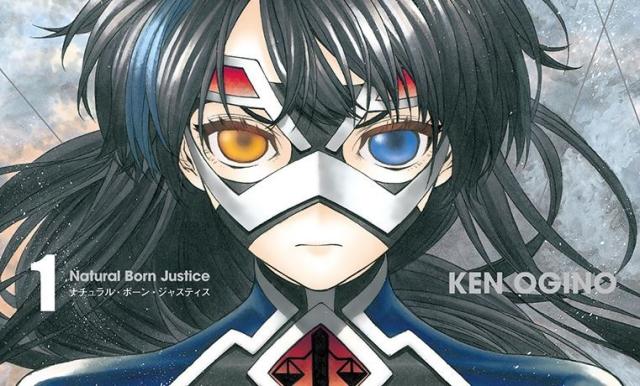
In the ephemeral world of industrial art, where the ink barely dries before the next deadline arrives, you might find yourself wondering why some stories vanish into the ether of Weekly Shonen Jump without a trace. I remember sitting at my desk, much like Ken Ogino must have in 2015, realizing that the bridge between an author's intent and the final printed page is often paved with compromises that the reader never sees. The recent viral discussions surrounding his work Lady Justice have finally pulled back the curtain on a reality where creative freedom is a luxury few can afford.
The weight of editorial expectations
While many observers assumed that the cancellation of Lady Justice after only sixteen chapters was due to a singular focus on fanservice, the truth is far more complex than a simple desire to draw erotic scenes. Ken Ogino clarified on social media that the current landscape of manga allows for female protagonists to exist without sexualized tropes, a shift he views with a certain quiet envy. You must understand that back then, the editorial direction often acted as a compass pointing toward specific trends, leaving the artist to navigate a sea of suggestions that weren't always their own.
A temporal collision with giants
It is a common misconception that Lady Justice attempted to challenge the dominance of My Hero Academia, yet the data tells a different story of unfortunate timing. The pilot for Ogino's work was published before Kohei Horikoshi's masterpiece began its serialization, meaning the superhero theme was a mere coincidence rather than a calculated rivalry. Ken Ogino recalled the moment he and his editor realized they were developing a superhero narrative just as a genre-defining giant was rising, an experience that felt like trying to light a candle in the middle of a hurricane.
The struggle for creative identity
The story of Kenzaki Ameri, the invincible girl with fragile clothing, remains a testament to the era's pressures where roughly 10% of new series in major magazines survive their first year. You can almost feel the frustration in Ogino's words as he explains that the erotic elements were not his sole passion, but rather a byproduct of the industry's demands at the time. Today, as he finds success with The Ossan Newbie Adventurer, the echoes of Lady Justice serve as a reminder that behind every short-lived manga, there is an artist who was perhaps just waiting for the right moment to be truly heard.
Reactions
Share
Related articles
Adachitoka Returns With New Manga Yadoya no Oinu-sama After Noragami’s Ending
Masami Kurumada demanda por millonaria malversación de fondos
Hikaru ga Shinda Natsu Manga to End in Two Chapters as Final Release Dates Are Confirmed
0 Comments
You must log in to leave a comment
Be the first to share your thoughts on this article.
No comments yet
Be the first to share your thoughts on this article.