The aging crisis of Hikikomori in Japan
Discover why social isolation is becoming a long-term challenge for Japanese families

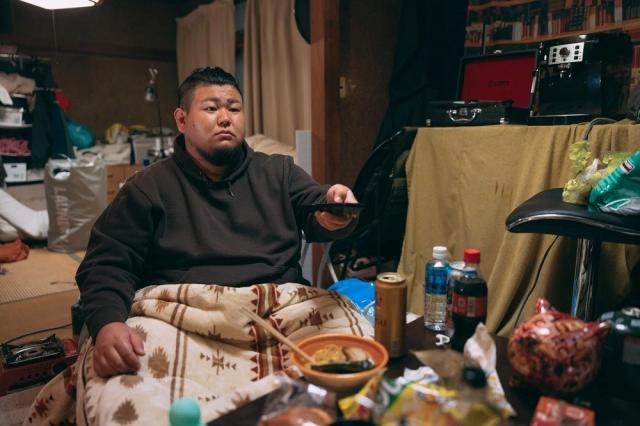
We often think of hikikomori as teenagers locked in their rooms. Pucha, we couldn't be more wrong. This social phenomenon is growing old along with its protagonists. It is like a clock that never stops ticking, and honestly, it scares us a little. Recent data shows that social withdrawal is no longer just a "young people's phase." It is becoming a life sentence for many families in Japan.
Asumadre, the numbers are really cold. We are talking about people who have spent decades without stepping outside. This isn't just about being shy; it's a deep wall that separates them from the world. We feel for the parents who, despite their age, continue to pull the cart alone. It is a heavy burden that doesn't seem to have an expiration date.
The worrying reality of the 80-50 and 90-60 cases
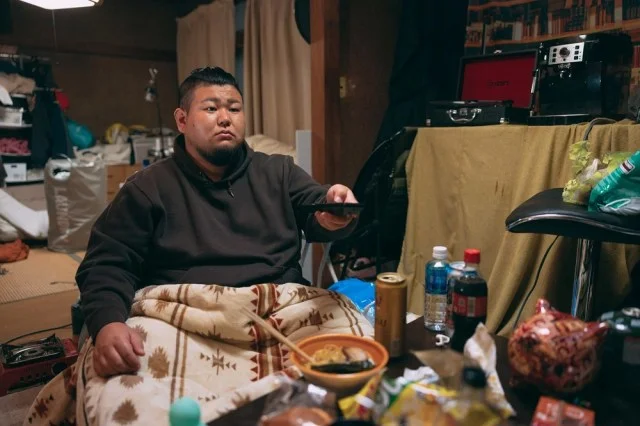
The situation has reached a point that sounds like a movie plot, but it's real life. We are seeing 90-year-old parents still taking care of their 60-year-old children. Can you imagine that? At an age where they should be resting, these seniors are still working or stretching their pensions to cover every cent of the household chamba. It is a marathon with no finish line in sight.
The safety net is fraying. Most of these adult children depend entirely on their parents for food and a roof. But what happens when the parents are gone? That is the question that keeps us up at night. The math just doesn't add up for a sustainable future. It's a ticking time bomb in the heart of Japanese society.
Key facts about the aging of shut-ins
We have compiled some points that explain why this problem is more serious than it looks. Take a look at these details:
- The average age of a hikikomori has jumped from 33 to nearly 37 years old in a few years.
- Over 40% of these people are now over the age of 40.
- The average age of the family member providing care is already over 66 years old.
- Bullying and academic pressure are triggers, but the effects last for decades.
Mostro, the effort these families put in is huge, but it's not enough. Society often looks away because they think it's a private family matter. However, this is a collective emergency. We need to stop thinking that time alone will fix these broken lives.
Looking for a way out of the silence
Pucha, it's hard to break the cycle. Most support programs focus on kids or students, leaving the older "shut-ins" in a total vacuum. We need to shift our focus. Integration isn't just about getting a job; it's about regaining the dignity of being self-reliant. It's about opening the window even if the light hurts at first.
Japanese culture values patience and family responsibility, which is beautiful. But sometimes, that same kindness becomes a trap that prevents seeking professional help. We must push for more specialized assistance for adults. It is never too late to try to reconnect with the world outside those four walls.
What do you think is the biggest challenge for someone who hasn't left their house in twenty years? Do you believe society is prepared to welcome them back?
Share this story and let's start a conversation about social mental health!
Reactions
Share
Related articles

What Sanae Takaichi Really Said About the Cockroach: Lost Meaning, Phoenix, and a Misread Headline

Stay Updated: The Best Anime and Gaming News
Japan's Foreign Population Surge: A Demographic Shift Reshaping Major Cities
0 Comments
You must log in to leave a comment
Be the first to share your thoughts on this article.
No comments yet
Be the first to share your thoughts on this article.