Love Is Like a Cocktail Author Reveals the Manga Was an Experiment
Crystal na Yōsuke confessed to ignoring personal tastes to draw exactly what was requested.
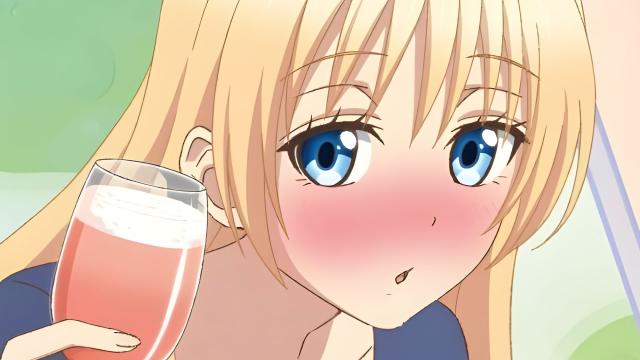

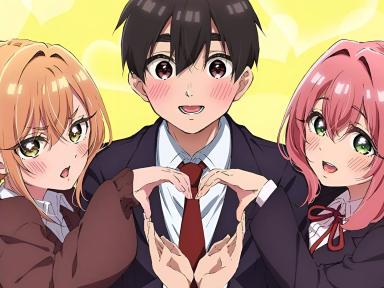
In the manga industry, there is always this romantic debate that an author must love their work for it to be successful. But Crystal na Yōsuke, the creator of the popular and relaxing comedy Osake wa Fuufu ni Natte kara (also known as Love Is Like a Cocktail), has just shattered that illusion. Through social media, the artist released a statement that left half the internet questioning everything: his most successful manga and the only one to receive an anime adaptation was born as an experiment where he threw all his personal tastes in the trash.
The talent of pleasing the masses
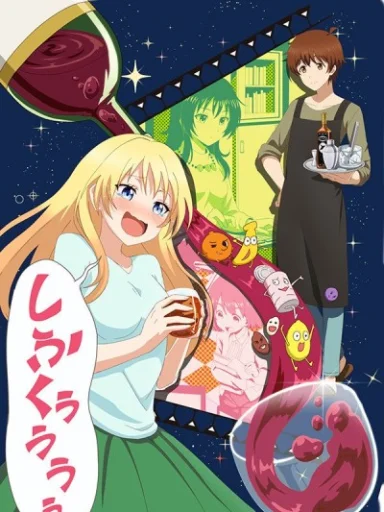
The story's premise is super simple and sweet: a husband preparing cocktails for his wife who loves to drink in secret. According to the mangaka, he decided to completely ignore his own obsessions and limited himself to drawing 100% of what other people told him would work. Surprisingly, this "selling out to the market" approach worked perfectly and connected deeply with readers. In the forums, the reaction was pure respect, as the fandom recognizes that maintaining the motivation to weekly draw a story you feel no passion for is a commercial talent that very few possess.
The dark truth behind your favorite manga
This honest confession opened the floodgates and sparked a debate within the community about how many of today's big hits were born under the same rule. Readers quickly recalled cases like Spy x Family, where it is said that its author strictly followed editorial mandates and felt no initial attachment to his characters. The name Demon Slayer also came up, which took off commercially exactly when editors stepped in during the spider arc. And not to mention the shonen classics: legends like Dragon Ball, One Piece, and Naruto underwent drastic changes in their names and plots thanks to the commercial vision of their respective editors, proving that without that help, they might never have become the global phenomena they are today.
In retrospect, monumental failures like Masashi Kishimoto's Samurai 8 remind us what happens when an author has too much freedom and decides to ignore their editorial team. What do you prefer: a creator who dies faithful to their strange tastes and fails, or one who agrees to change their story to give you a commercial masterpiece?
Related
Reactions
Share
Related articles
0 Comments
You must log in to leave a comment